Can You Leave Butter on the Counter? Here’s What You Should Know
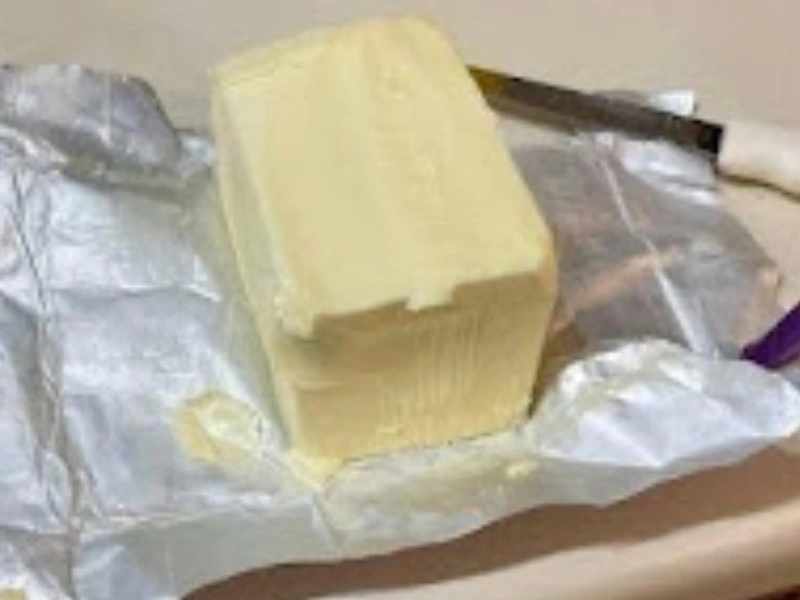
Butter is one of those everyday kitchen staples that people feel strongly about—especially when it comes to storage. While refrigeration keeps butter firm and fresh longer, many cooks prefer soft, spreadable butter ready to use at a moment’s notice. The good news? Butter can be safely left on the counter—if you do it correctly.
General Butter Storage Guidelines
- Salted butter:
Thanks to salt’s preservative properties, salted butter can safely sit out for several days to about a week when kept covered in a cool, clean environment. - Unsalted butter:
Because it lacks salt’s protective effect, unsalted butter should only be left out for 1–2 days. Store the rest in the refrigerator. - Whipped or flavored butters:
These should stay refrigerated unless freshly made and used right away. Added ingredients (herbs, garlic, honey) increase the risk of spoilage.
Important: If your kitchen tends to get warm—especially above normal room temperature—refrigeration is always the safer choice.
The Best Ways to Store Butter on the Counter
1. Use a Covered Butter Dish
A butter dish with a lid protects butter from dust, odors, and air exposure, which helps prevent oxidation—the main cause of off flavors.
2. Only Leave Out What You’ll Use
Keep the main block refrigerated and place just a small portion (half a stick or less) on the counter. Refill as needed to keep butter fresh.
3. Keep It Away from Heat
Store butter far from the stove, oven, or direct sunlight. Heat causes butter to soften too much and shortens its usable life.
4. Consider a French Butter Crock
A butter crock uses a small water seal to create an airtight environment that keeps butter cool and spreadable without refrigeration. It’s both practical and stylish.
How to Tell If Butter Has Gone Bad
Butter rarely becomes dangerous, but it can turn unpleasant. Discard butter if you notice:
- A sour, soapy, or rancid smell
- A darker yellow surface or oily sheen
- A bitter or strange taste
- Visible mold (rare, but throw it out immediately)
When in doubt, it’s best to toss it.
Why Many Cooks Prefer Countertop Butter
Room-temperature butter has real advantages:
- Spreads easily without tearing bread
- Creams better for baking
- Saves time during cooking
- Maintains better texture and flavor when used promptly
With proper handling, countertop butter is both convenient and safe.
Final Thoughts
Yes—you can leave butter on the counter. The key is doing it responsibly. Keep it covered, limit how much you leave out, store it away from heat, and pay attention to your kitchen’s temperature. With just a little care, you’ll always have soft, flavorful butter ready whenever you need it—without compromising food safety.