If you’ve ever prepared shrimp at home, you’ve probably spotted that thin dark line running along its back. Maybe you always remove it, maybe you ignore it—or maybe you’ve wondered what it actually is.
Let’s break it down clearly: what that line is, whether it needs to be removed, and how to prep shrimp the right way.
What Is the “Black Vein”?
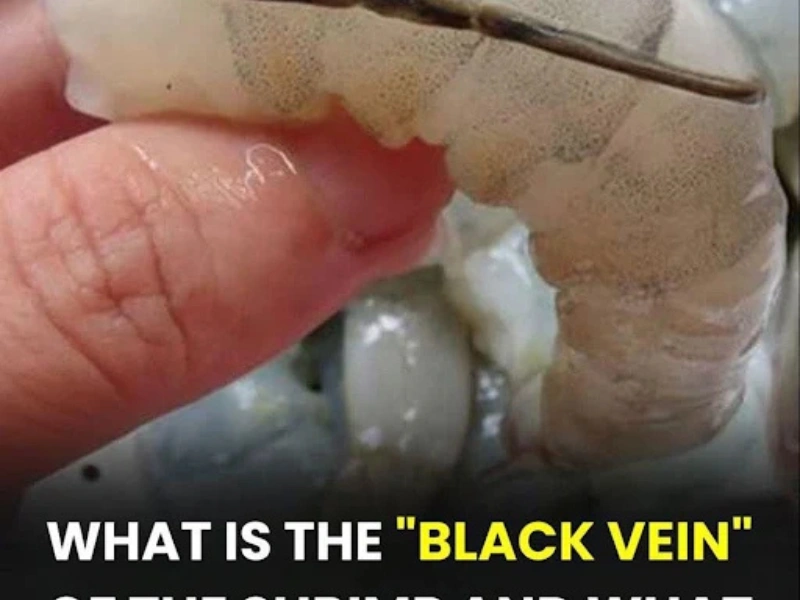
That dark line isn’t a vein at all—it’s the shrimp’s digestive tract (basically its intestine). Its color comes from whatever the shrimp last ate, like plankton or algae.
There’s also a pale line on the underside—that one is the nerve cord, and it’s harmless, so it’s usually left alone.
Is It Safe to Eat?
Yes, it’s completely safe.
In smaller shrimp, the tract is tiny and barely noticeable. But in larger shrimp, it can contain bits of sand or grit, which can affect texture and make your bite feel unpleasant.
Should You Remove It?
It depends mostly on the size of the shrimp:
- Small shrimp: No need—it’s barely visible
- Medium shrimp: Optional—up to your preference
- Large shrimp: Recommended—can contain grit
- Jumbo shrimp: Definitely remove—it’s more noticeable
Simple rule: the bigger the shrimp, the more important it is to devein.
How to Devein Shrimp
What you’ll need:
- A small sharp knife (or a deveining tool)
- Cutting board
- Bowl of cold water
Basic method:
- Rinse the shrimp under cold water
- Peel off the shell (leave the tail if you like)
- Make a shallow cut along the back
- Lift out the dark line with the knife tip or your fingers
- Rinse again to clean it
💡 Tip: Always devein shrimp before cooking—it’s much easier.
Preparing Shrimp Step by Step
1. Thaw properly (if frozen):
- In the fridge overnight, or
- In cold water for 15–20 minutes (sealed bag)
2. Peel:
Remove the legs and shell; keep or remove the tail as desired.
3. Devein (if needed):
Follow the steps above.
4. Rinse and dry:
Pat dry—this helps get a better sear when cooking.
5. Cook:
Shrimp cook fast—usually 2–3 minutes per side.
Popular Cooking Methods
- Sautéed: Cook in butter or oil over medium-high heat
- Grilled: Skewer and grill for a few minutes per side
- Boiled: Cook briefly in salted water, then cool quickly
- Baked: Roast at high heat with oil and seasoning
How to Know When Shrimp Are Done
Perfect shrimp should be:
- Pink and opaque
- Curved into a loose “C” shape
- Firm but still tender
Overcooked shrimp:
- Curl tightly into an “O”
- Become rubbery and tough
Buying Shrimp: Quick Tips
- Wild-caught: Often better flavor
- Farm-raised: More consistent and sometimes more sustainable
- Frozen: Often fresher than “fresh” shrimp at the counter
- Peeled/deveined: Convenient, but double-check the cleaning
Size matters too: shrimp are labeled by how many fit in a pound—the fewer the number, the bigger the shrimp.
The Bottom Line
That dark line in shrimp is just the digestive tract—safe to eat, but sometimes gritty in larger shrimp. Whether you remove it comes down to size and personal preference.
Once you understand that, prepping shrimp becomes simple. Clean what you need to, cook them quickly, and you’ll get perfectly tender, flavorful results every time.