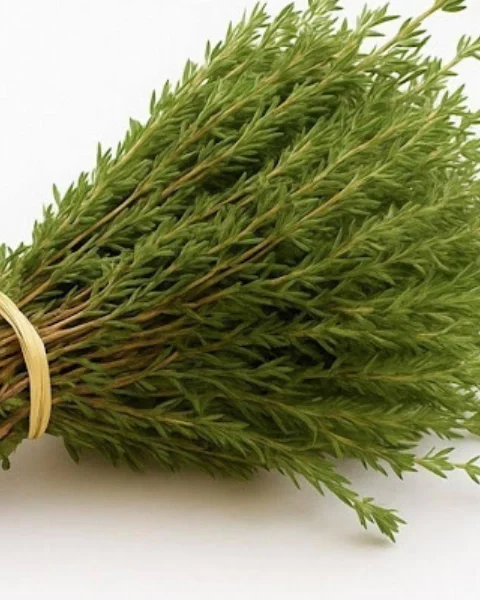

Few herbs bring as much warmth and depth to a meal as oregano. Known for its bold, aromatic flavor, oregano has long been a staple in Mediterranean cuisine. But beyond its role in the kitchen, this humble herb has also attracted scientific interest for its potential health-supporting properties.
For centuries, oregano has been used in traditional medicine systems. While it’s not a miracle cure, modern research confirms that oregano contains compounds that may contribute to overall wellness when included in a balanced diet.
Let’s explore what science says about oregano and why this everyday herb deserves a place in both your cooking and your health-conscious lifestyle.
What’s Inside Oregano? Key Bioactive Compounds
Oregano contains a variety of plant-based compounds that researchers believe contribute to its beneficial properties.
Some of the most important include:
Carvacrol
This is the most abundant compound in oregano and has been studied for its antibacterial and anti-inflammatory properties.
Thymol
Thymol is known for its natural antifungal and antimicrobial effects and is sometimes used as a natural preservative.
Rosmarinic Acid
This compound is a powerful antioxidant that may help support immune health and protect cells from oxidative stress.
Lutein and Beta-Carotene
These plant pigments are associated with eye health and skin protection.
Interestingly, oregano ranks among the herbs with the highest antioxidant activity by weight, even higher than some fruits such as blueberries. However, it’s important to note that most research focuses on concentrated extracts, not the smaller amounts typically used in cooking.
Science-Supported Benefits (With Realistic Expectations)
Antioxidant Support
Oregano is rich in phenolic compounds like rosmarinic acid, which contribute to its strong antioxidant activity.
Antioxidants help neutralize free radicals, unstable molecules that can contribute to oxidative stress and cellular damage over time.
While oregano alone cannot prevent disease, consuming foods rich in antioxidants may help support long-term cellular health.
Natural Antimicrobial Properties
Research shows that oregano compounds such as carvacrol and thymol can inhibit the growth of certain bacteria and fungi in laboratory settings.
Because of these properties, oregano oil is sometimes used in:
- natural cleaning products
- food preservation
- herbal remedies
However, these effects are much stronger in concentrated extracts than in the small amounts typically used in cooking.
Potential Anti-Inflammatory Effects
Preliminary studies suggest that some compounds in oregano may help reduce inflammation markers in the body.
Chronic inflammation has been linked to many long-term health conditions. While oregano alone will not resolve inflammation, herbs rich in anti-inflammatory compounds may offer small supportive benefits when combined with a healthy diet.
Digestive and Gut Health Support
Traditionally, oregano has often been used to support digestion.
Modern research suggests that oregano oil may influence the balance of gut microbes, though more human studies are needed to confirm these effects.
Even without medicinal doses, adding oregano to meals can support wellness indirectly by:
- enhancing flavor
- reducing the need for excess salt or sugar
- encouraging healthier cooking habits
The Realistic Bottom Line
Oregano is not a magic solution for health problems. However, it is a flavorful herb packed with bioactive compounds that may contribute to overall wellness when used as part of a balanced lifestyle.
You can enjoy oregano in many forms:
- fresh leaves
- dried herbs in cooking
- infused oils
- standardized extracts (when recommended by professionals)
It’s also important to remember that more isn’t always better. Culinary oregano is safe for most people, but concentrated oregano oil supplements can be very potent and should be used carefully.
Simple Ways to Add More Oregano to Your Diet
Incorporating oregano into your meals is easy and delicious.
Try these ideas:
🌿 Sprinkle dried oregano on roasted vegetables, soups, and stews
🌿 Add fresh oregano leaves to salads, marinades, and pasta sauces
🌿 Infuse olive oil with oregano for a flavorful drizzle
🌿 Enjoy oregano tea as a soothing herbal drink
Small additions like these can add both flavor and nutritional value to everyday meals.
Final Thought
Oregano is much more than a pizza topping. It’s a flavorful herb with compounds that science continues to explore for their potential health-supporting effects.
Incorporating herbs like oregano into your cooking is a simple reminder that wellness often grows from everyday habits, balanced nutrition, and thoughtful choices — not quick trends or miracle solutions.
Sometimes, the most powerful ingredients are already sitting in your kitchen. 🌿