The Kitchen Debate: Should You Wash Ground Beef?
Finding the Sweet Spot Between Fat, Flavor, and Food Safety
Few kitchen questions spark as much disagreement as this one:
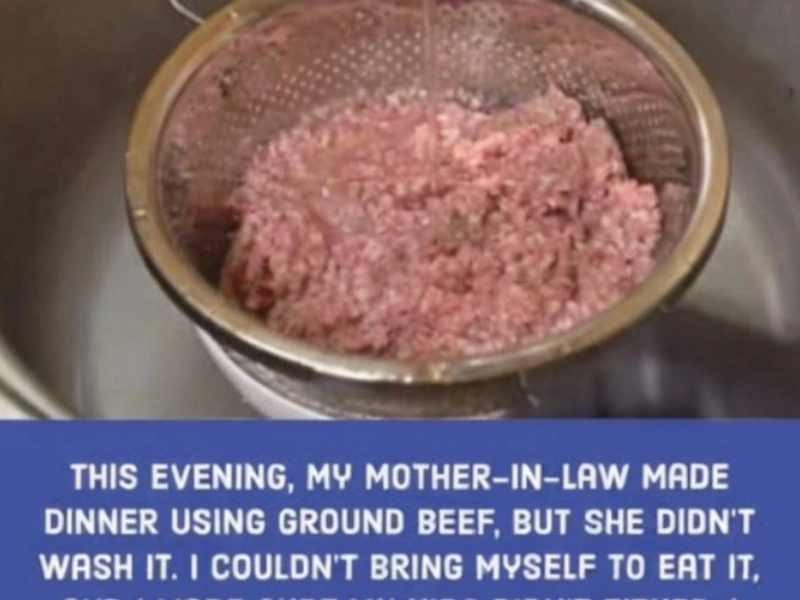
Should ground beef be rinsed—before or after cooking?
Some cooks swear rinsing helps remove excess fat and calories. Others insist it destroys flavor and ruins texture. So which side is right?
The truth is more nuanced than a simple yes or no. Let’s break down when rinsing ground beef might make sense, when it definitely doesn’t, and what safer alternatives you should consider.
The Argument For Rinsing Ground Beef
1. Reducing Fat and Calories
When working with higher-fat ground beef (like 80/20), rinsing after cooking can significantly lower fat content—sometimes by nearly half. This can help:
- Reduce overall calorie intake
- Support heart-conscious eating
- Create lighter meals for weight management
This approach is sometimes used in dishes where richness isn’t the main attraction, such as tacos, casseroles, or pasta sauces.
2. A Cleaner Texture for Certain Dishes
For recipes that require ground beef to blend smoothly into other ingredients—think stuffed peppers, sloppy Joes, chili, or lasagna—removing grease can make mixing easier and reduce oily pooling.
The Argument Against Rinsing Ground Beef
1. Loss of Flavor and Juiciness
Fat plays a major role in taste. When you rinse cooked ground beef, you’re also washing away:
- Natural beefy flavor
- Moisture that keeps meat tender
- Browning created during cooking (thanks to the Maillard reaction)
For flavor-forward recipes like burgers, meatballs, or meatloaf, rinsing is almost always a bad idea.
2. Texture Problems
Rinsing cooked meat can cool it rapidly, leading to a tougher, grainier texture. Any remaining water can also thin sauces and disrupt the consistency of your dish.
Never Rinse Raw Ground Beef: A Food Safety Must
According to the USDA, raw meat should never be washed, including ground beef.
Here’s why:
- Water does not kill harmful bacteria like E. coli or Salmonella
- Splashes spread bacteria around your sink, counters, and utensils
- The risk of cross-contamination increases significantly
Cooking to the proper internal temperature is the only safe way to eliminate bacteria.
Smarter, Safer Ways to Remove Excess Grease
If your goal is to reduce fat without sacrificing flavor—or safety—try these alternatives instead of rinsing:
- Fully brown the beef, then drain it in a colander
- Blot with paper towels to absorb grease
- Use a slotted spoon to lift meat from rendered fat
- Chill cooked beef and skim off solidified fat
These methods are cleaner, safer, and far more kitchen-friendly.
When Rinsing After Cooking Might Be Acceptable
In limited situations, rinsing cooked ground beef is sometimes used for:
- Strict low-fat diets
- Meal prep for salads or lettuce wraps
- Reducing richness in certain lighter dishes
Even then, draining and blotting usually achieve similar results with less mess and less flavor loss.
Pros and Cons at a Glance
Pros
- Reduces fat and calories
- Lightens overly greasy dishes
- Can help with low-fat meal plans
Cons
- Removes flavor and moisture
- Can make meat dry or bland
- Adds cleanup and mess
- Unsafe if done on raw meat
Final Verdict: Should You Rinse Ground Beef?
The best choice depends on three things:
- Your nutritional goals
- The specific recipe
- How much effort and cleanup you’re willing to accept
Consider Rinsing (After Cooking) If:
- You’re using higher-fat beef
- You’re preparing lighter meals or salads
- Flavor intensity isn’t the top priority
Skip Rinsing If:
- You’re using lean beef (90/10 or leaner)
- You want maximum flavor and juiciness
- You want a faster, cleaner cooking process
The Balanced Takeaway
There’s no universal rule—just informed choices.
Whether you opt to drain, blot, or occasionally rinse cooked beef, the goal remains the same: safe food that tastes good and fits your lifestyle. Once you find the method that works best for you, everyday cooking becomes easier—and a whole lot more enjoyable.