
Introduction
Everyone has squeezed a lemon for juice or a recipe and then tossed away the peel without a second thought. But those bright yellow rinds — often overlooked — hide a true culinary treasure: homemade lemon powder. This simple, cost-effective, and aromatic ingredient adds a burst of freshness to both sweet and savory dishes.
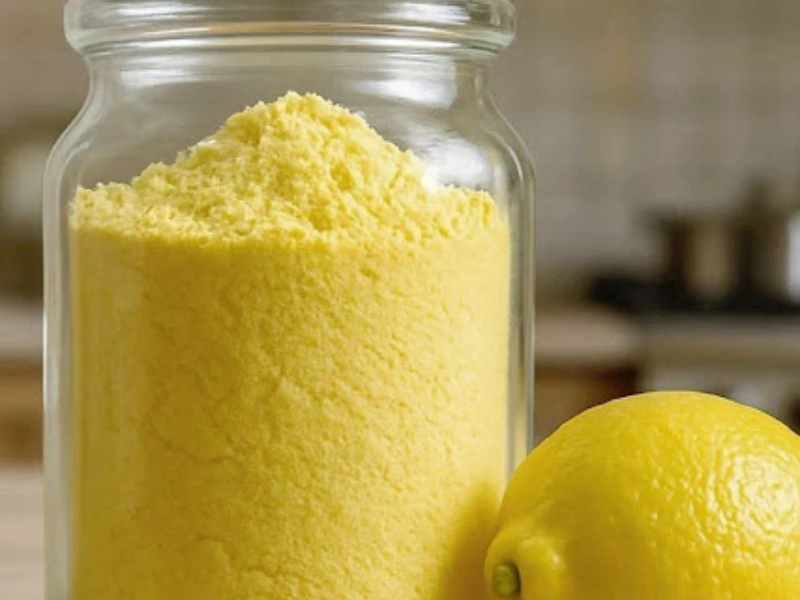
Imagine a jar filled with sunshine — a fine, fragrant powder that smells like summer and brings life to your meals. Made from dried, finely ground lemon zest, lemon powder enhances sauces, desserts, dressings, and more. It’s also a clever way to reduce food waste and make the most of every part of your organic lemons.
Ingredients
- Organic or untreated lemons (as many as desired)
- Cold water (for washing)
Instructions
1. Select the right lemons
Choose organic or untreated lemons to ensure there are no chemical residues. Organic lemons provide a deeper, more vibrant aroma.
2. Prepare the zest
Wash the lemons thoroughly in cold water and pat them dry. Use a vegetable peeler or small knife to remove only the yellow zest, avoiding the bitter white pith underneath.
3. Dry the zest
Choose one of the following methods:
- Sun-drying: Spread the zest on a clean cloth in a sunny, well-ventilated spot for 2–3 days. Bring it indoors at night to avoid moisture.
- Oven-drying: Arrange the zest on a baking sheet and dry at 140°F (60°C) for 1–2 hours, checking often to prevent burning.
- Dehydrator: Dry at 135°F (57°C) for 2–3 hours until completely brittle.
4. Grind the zest
Once dry, grind the zest into a fine powder using a spice grinder, mortar and pestle, or blender.
5. Store
Transfer the finished powder into an airtight container and store it in a cool, dark place.
Variations
- Citrus Blend: Combine lemon zest with lime or orange zest for a bright, multi-layered citrus flavor.
- Herb Fusion: Mix with thyme, rosemary, or basil to create a savory seasoning.
- Sweet Mix: Blend with sugar to make a lemon-infused sweetener for desserts or drinks.
- Spicy Kick: Add a dash of chili powder or black pepper — perfect for marinades or grilled meats.
- Dessert Twist: Combine with vanilla sugar or cinnamon for a fragrant topping.
- Beverage Boost: Mix with mint or ginger to make flavorful tea blends or cocktail rimming salts.
Tip: The combinations are endless — don’t be afraid to experiment!
Tips for Success
- Always use organic lemons to avoid chemicals. If unavailable, scrub conventional lemons with baking soda and water.
- Use ripe lemons for the most aromatic zest.
- Avoid over-drying — too much heat can strip away essential oils and cause bitterness.
- If the powder clumps, regrind or sift it before using.
- A small amount goes a long way — start with a pinch and adjust to taste.
How to Store
Store your lemon powder in an airtight glass jar in a cool, dark place (like a pantry or cupboard). Avoid exposure to heat or sunlight.
- Shelf life: Up to 6 months, but the flavor is most vibrant within the first 3 months.
- Freezer storage: For extended freshness, keep it in the freezer and bring to room temperature before use to prevent condensation.
- Label your jar with the preparation date. If it loses its fresh citrus scent or smells off, it’s time for a new batch.
Conclusion
Homemade lemon powder is a game-changer for any kitchen — versatile, eco-friendly, and bursting with natural flavor. It’s the perfect way to add brightness to your recipes while cutting down on waste.
Once you’ve made it, you’ll wonder how you ever cooked without it. So next time you squeeze a lemon, don’t toss those peels — turn them into gold. ✨