
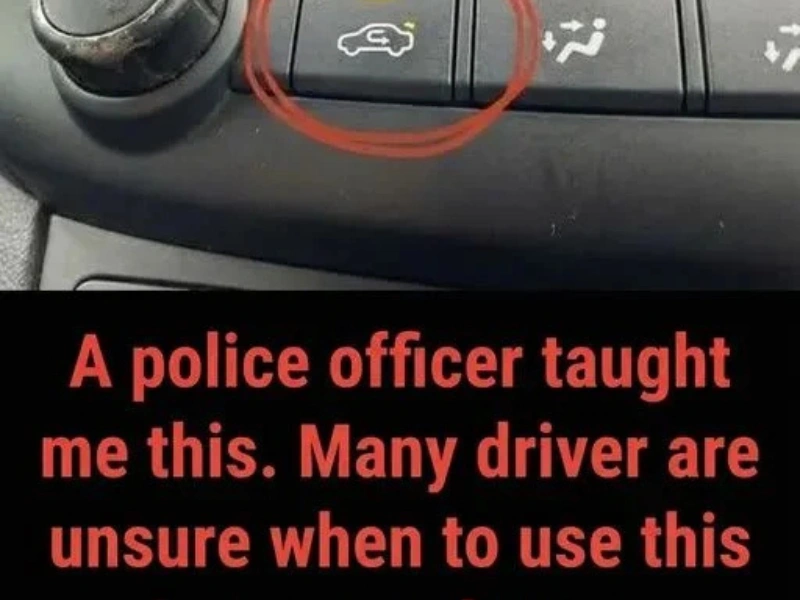
What That “Car with a Looping Arrow” Button Really Does
A small switch that makes a big difference in comfort and air quality
Most drivers have seen the dashboard icon showing a car with a curved arrow inside—but not everyone knows how useful it actually is. This button controls your vehicle’s air recirculation system, and using it correctly can improve cooling, reduce odors, and even help you breathe cleaner air.
It’s a simple feature—but when used at the right time, it makes a noticeable difference.
How It Works
Your car’s ventilation system has two modes:
- Fresh Air Mode (Recirculation OFF):
Pulls air from outside, filters it, then heats or cools it before sending it into the cabin. - Recirculation Mode (ON):
Closes off outside air and reuses the air already inside the car, creating a closed loop.
This small switch changes how efficiently your car manages temperature and air quality.
When to Turn Recirculation ON
1. Hot Weather
On very warm days, this mode helps your AC cool the car faster by reusing already-cooled air instead of constantly cooling hot air from outside.
👉 Tip: Air out the car briefly, then turn on recirculation for best results.
2. Heavy Traffic or Tunnels
Surrounded by exhaust fumes? Recirculation blocks polluted outside air from entering your cabin.
3. Strong Odors Outside
Driving past farms, garbage areas, or anything with a strong smell? This setting helps keep those odors out.
4. Dusty or Polluted Roads
On dirt roads or near construction zones, it prevents dust and particles from being pulled inside.
5. Allergy Season
If pollen levels are high, recirculation can help reduce allergens—especially if your cabin filter is clean.
When to Turn Recirculation OFF
1. Foggy Windows (Very Important)
If your windows are fogging up, turn recirculation OFF immediately.
Why?
Moisture builds up inside the car, and recirculation traps it. Fresh air helps dry things out and clear the glass faster.
👉 Best combo: Defrost + Fresh Air + AC
2. Long Drives
Over time, recirculated air can feel stale as carbon dioxide builds up. This may lead to drowsiness.
👉 Switch to fresh air occasionally to stay alert.
3. When the Car Is Full
More passengers = more moisture and less fresh oxygen. Use fresh air mode from time to time.
4. Once the Cabin Is Cool
After your car reaches a comfortable temperature, switching back to fresh air keeps the environment from feeling stuffy.
Quick Guide
| Situation | Recirculation |
|---|---|
| Hot weather | ✅ ON |
| Heavy traffic / tunnels | ✅ ON |
| Bad smells outside | ✅ ON |
| Dusty roads | ✅ ON |
| Foggy windows | ❌ OFF |
| Long drives | ❌ OFF occasionally |
| Full car | ❌ OFF sometimes |
Extra Benefits
Using recirculation wisely can also:
- Help your AC cool faster
- Reduce strain on the system
- Slightly improve fuel efficiency
Don’t Forget the Cabin Air Filter
For the system to work properly, your cabin air filter needs to be clean. It traps dust, pollen, and pollutants before air enters your car.
👉 Replace it about once a year or as recommended.
Final Thoughts
That small button with the looping arrow isn’t just another dashboard symbol—it’s a practical tool for comfort, safety, and cleaner air.
Use it smartly:
- Turn it on when you want to block heat, smells, or pollution
- Turn it off when you need fresh, dry air
Once you understand it, you’ll start using it without even thinking—and your drives will feel noticeably better.