What Those Vertical Lines on Your Nails Really Mean
Usually harmless—but still worth understanding
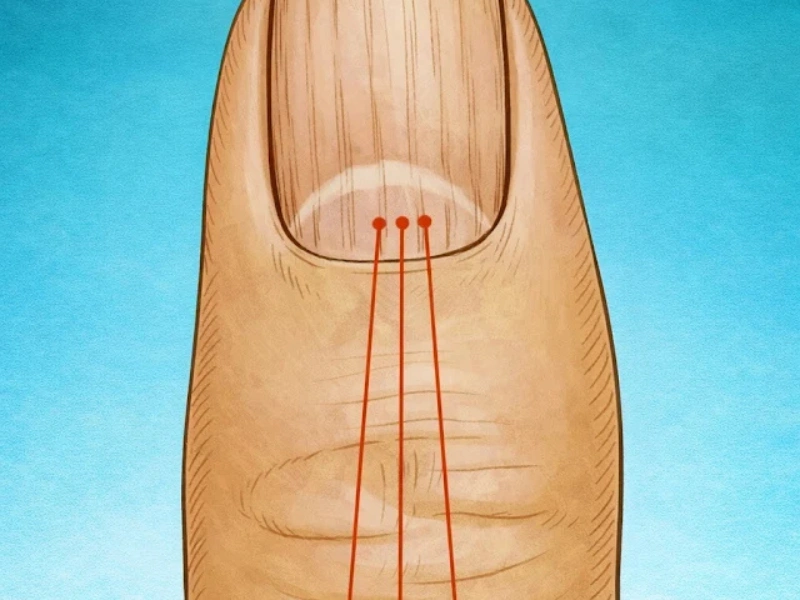
If you’ve started noticing thin lines running from the base of your nails to the tips, you’re not alone. These lines—called vertical (longitudinal) ridges—often become more visible with age and are, in most cases, completely normal.
They’re simply one of the many small ways your body changes over time.
What Are Vertical Nail Ridges?
Your nails are made of keratin, a protein produced in the nail matrix just beneath the cuticle. As you get older, this production can become slightly uneven, which leads to subtle ridges forming along the nail.
You can think of them like growth lines—tiny records of how your nails develop over time.
Common features of normal ridges:
- Run from cuticle to tip
- Appear on multiple nails
- Develop gradually
- Not painful
- No major color changes
Why Do They Appear More With Age?
Several natural changes in the body contribute to these ridges:
1. Slower Growth
Nails grow more slowly over time, which can make their surface less smooth.
2. Uneven Cell Production
The process that creates new nail cells becomes less consistent.
3. Dryness
Like skin, nails lose moisture with age—making ridges more noticeable.
4. Everyday Wear and Tear
Years of exposure to water, chemicals, and small injuries can affect nail texture.
When It’s Totally Normal
In most cases, there’s no need to worry if:
- The ridges appeared gradually
- They’re present on several or all nails
- There’s no pain, discoloration, or damage
- Your nails aren’t splitting or crumbling
For many people, especially after 40, these ridges are as common as gray hair.
When to Pay Closer Attention
While usually harmless, certain changes may need a closer look:
• One nail looks different
A deep ridge on just one nail could be from past injury—or something that needs checking.
• Color changes appear
Yellow, green, or dark streaks alongside ridges may indicate infection or other issues.
• Sudden appearance
If ridges show up quickly on multiple nails, it’s worth investigating.
• Texture changes
If nails become brittle, split, or develop pits, there may be an underlying cause.
Other Possible Causes
Besides aging, ridges can sometimes be linked to:
- Nutrient deficiencies (iron, B vitamins, protein)
- Dehydration
- Nail trauma
- Skin conditions like eczema or psoriasis
- Thyroid issues or anemia (less common)
How to Reduce Their Appearance
While you can’t completely remove natural ridges, you can make them less noticeable:
- Moisturize daily with hand cream or cuticle oil
- Buff lightly to smooth the surface (don’t overdo it)
- Use a ridge-filling base coat if applying polish
- Stay hydrated
- Eat a balanced diet rich in vitamins and protein
- Protect your hands when using chemicals or doing chores
When to See a Doctor
Consider getting medical advice if you notice:
- Sudden changes in multiple nails
- A deep ridge on a single nail
- Discoloration (especially dark or green tones)
- Pain, splitting, or crumbling
- Other symptoms like fatigue or skin changes
A Quick Note About Horizontal Lines
Lines that run across the nail (called Beau’s lines) are different and can signal interruptions in nail growth due to illness, stress, or nutritional issues. These should be checked by a doctor.
Final Thoughts
Vertical nail ridges are usually just a natural part of aging—nothing to stress about. They’re a small, visible reminder of how your body evolves over time.
Still, your nails can offer helpful clues about your overall health. If something changes suddenly or looks unusual, it’s always a good idea to take a closer look.