You’ve probably come across a lot of claims about aneurysms—some reassuring, others alarming.
“Only older people get them.”
“You’ll feel it before something serious happens.”
“There’s nothing you can do to lower your risk.”
These ideas spread quickly, often shaped by fear or dramatized portrayals. But when it comes to your health, guessing isn’t good enough. Understanding what’s true—and what isn’t—can make a real difference.
Let’s clear things up in a calm, fact-based way so you can feel informed rather than worried.
🧠 What Is an Aneurysm?
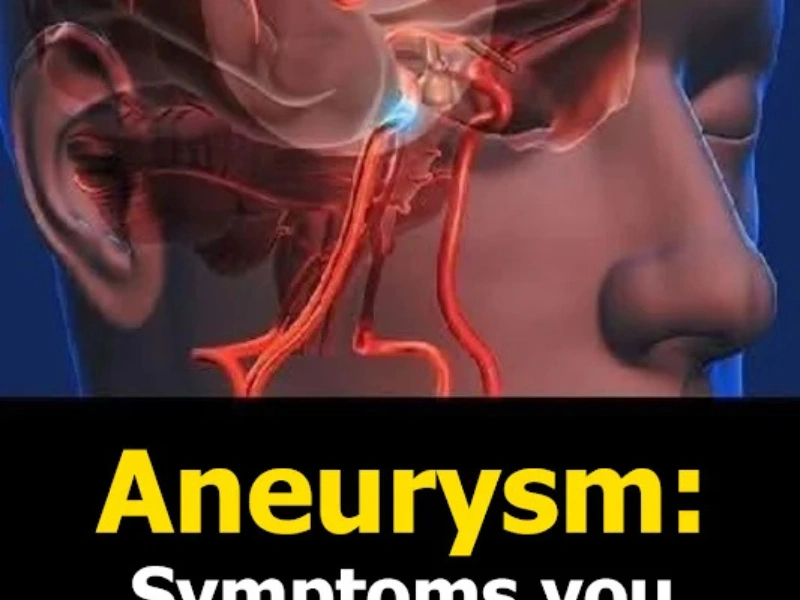
An aneurysm is a weak spot in a blood vessel wall that bulges outward. It most commonly occurs in the brain. Many aneurysms remain harmless and never cause symptoms. However, if one ruptures, it can lead to serious internal bleeding.
The encouraging part: many aneurysms can be managed or treated, especially when identified early.
❌ Myths vs ✅ Facts
❌ “Only older adults get aneurysms”
✅ Reality: Risk does increase with age, but aneurysms can develop in younger people too. Genetics, injuries, or certain medical conditions can play a role regardless of age.
❌ “You’ll always feel warning signs”
✅ Reality: Most unruptured aneurysms don’t cause noticeable symptoms. When they do, signs can be subtle—like mild vision issues or discomfort. A rupture, on the other hand, usually happens suddenly and intensely.
❌ “If you have one, it will rupture”
✅ Reality: Many aneurysms never rupture. Small, stable ones often carry a very low risk, and people may live their entire lives without knowing they have one.
❌ “Headaches mean something serious like an aneurysm”
✅ Reality: Most headaches are caused by common issues like stress or migraines. A rupture-related headache is typically sudden, extremely severe, and unlike anything you’ve felt before.
❌ “Nothing can be done to prevent them”
✅ Reality: While you can’t control everything, you can reduce your risk by managing lifestyle factors such as blood pressure, smoking, and overall cardiovascular health.
❌ “Aneurysms are always fatal”
✅ Reality: Outcomes have improved significantly thanks to modern medicine. Many people recover and continue to live full lives after treatment.
❌ “High blood pressure is the only cause”
✅ Reality: Blood pressure is important, but other factors—like genetics, smoking, and vessel health—also contribute.
💡 What You Can Do
You don’t need extreme measures—just consistent habits that support your blood vessels and overall health:
- ✔️ Monitor and manage blood pressure
- ✔️ Avoid smoking
- ✔️ Stay physically active
- ✔️ Eat balanced, whole foods
- ✔️ Speak with a doctor if you have a family history or concerns
❓ Common Questions
Can stress cause an aneurysm?
Not directly, but long-term stress can raise blood pressure, which affects vascular health.
Are aneurysms hereditary?
They can be. If close relatives have had them, it’s worth discussing screening with a healthcare provider.
Can you live normally with one?
Yes—many people do. Treatment depends on individual factors like size and location.
When is it an emergency?
Seek immediate help if you experience a sudden, extremely severe headache, especially with symptoms like confusion, neck stiffness, or vision changes.
❤️ Final Thought
This isn’t about fear—it’s about awareness.
You don’t need to constantly worry about aneurysms. But knowing the facts helps you:
- Recognize serious symptoms
- Make healthier choices
- Act quickly if needed
Understanding your body and taking care of it is one of the most powerful things you can do. And sometimes, simply having the right information is the first step toward protecting your health.