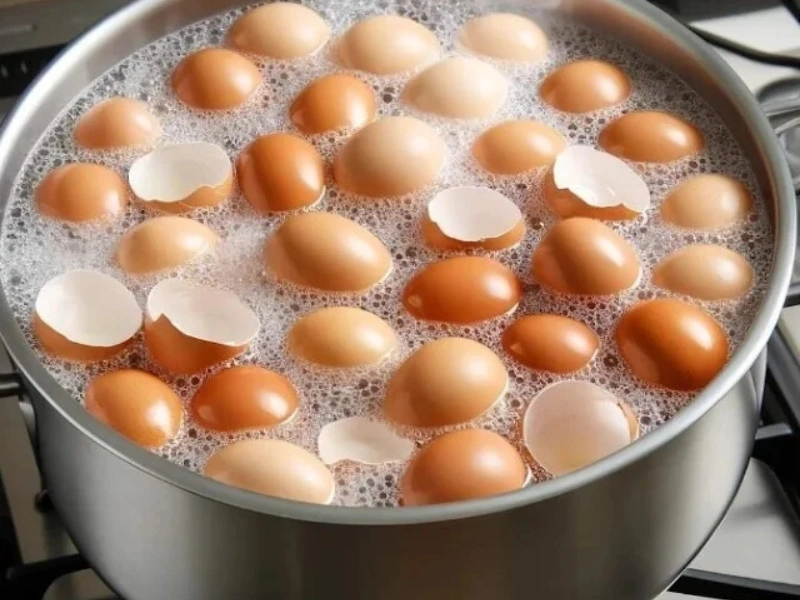
You might have come across a popular tip online: keep your eggshells, boil them, grind them into a powder, and add it to your meals or smoothies as a natural calcium supplement. It sounds resourceful—after all, eggshells are largely made of calcium carbonate, the same compound found in many store-bought supplements.
However, there’s an important reality often left out of these claims: consuming ground eggshells at home isn’t a safe or dependable way to increase your calcium intake.
Let’s break down why.
What Are Eggshells Made Of?
Eggshells are composed of about 95% calcium carbonate, which explains why they’re often seen as a potential calcium source. While that might sound promising, “natural” doesn’t always equal safe or effective—especially when it comes to nutrition.
Potential Risks of Eating Eggshells
🚫 Bacterial Contamination
Eggshells can carry harmful bacteria such as Salmonella. While boiling may reduce bacteria, it doesn’t guarantee complete sterilization—especially because microorganisms can remain trapped within the shell’s porous structure.
Unlike commercially produced calcium powders, which go through strict safety testing and processing, homemade eggshell powder lacks these protections.
🦷 Limited and Uncertain Absorption
Even though eggshells contain calcium, your body may not absorb it efficiently. Well-researched calcium sources—like dairy products or fortified foods—have known absorption rates. In contrast, there’s little scientific evidence showing how effectively the body uses calcium from eggshell powder.
⚠️ Risk of Physical Irritation
If eggshells aren’t ground into an ultra-fine powder, small sharp fragments can remain. These can potentially:
- Scratch the throat or esophagus
- Irritate the digestive tract
Home equipment typically can’t achieve the same fine consistency as professionally processed supplements.
💊 Inconsistent Dosage
The amount of calcium in an eggshell can vary depending on factors like the hen’s age and diet. Without laboratory testing, there’s no reliable way to measure how much calcium you’re actually consuming.
In contrast, regulated supplements clearly list precise dosages and undergo quality checks.
What Do Health Experts Say?
Major health organizations, including the National Institutes of Health and other nutrition authorities, do not recommend using eggshells as a calcium source. Their guidance focuses on safer, well-researched options.
Better Ways to Get Calcium
If you’re looking to support bone health or meet your daily calcium needs, there are much safer and more effective choices:
Food Sources
- Milk, yogurt, and cheese
- Fortified plant-based milks (soy, almond, oat)
- Leafy greens like kale and bok choy
- Canned fish with soft, edible bones (such as sardines)
- Calcium-set tofu
- Fortified juices
Supplements (if needed)
- Calcium citrate (easier to absorb)
- Calcium carbonate (best taken with food)
Look for products tested by independent organizations for quality and safety.
Final Takeaway
Using boiled and ground eggshells as a calcium supplement might seem like a clever shortcut, but it comes with real downsides:
- Possible bacterial contamination
- Uncertain absorption
- Risk of irritation
- No reliable dosage control
A safer approach is to rely on proven food sources or properly regulated supplements if necessary.
In short, eggshells are better suited for compost or gardening than for your diet.