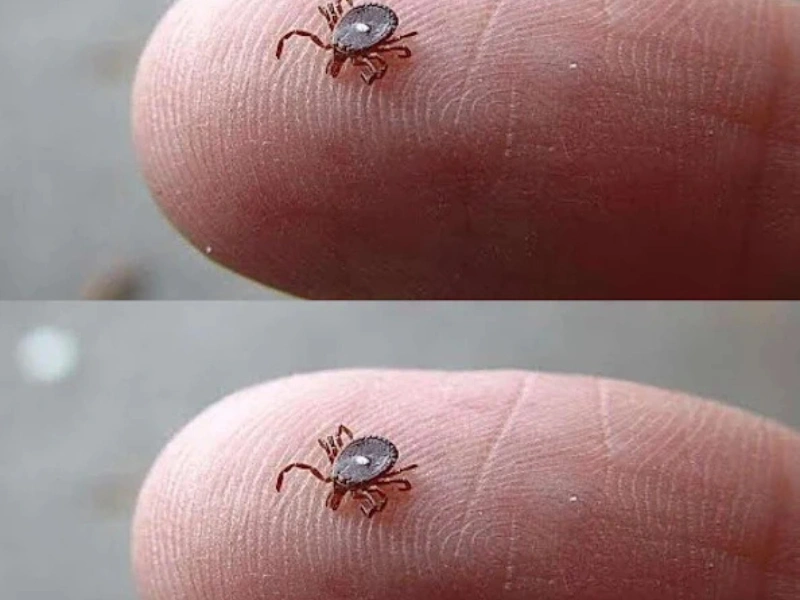
Discovering a tick attached to your skin can be alarming. If it happens to be a lone star tick—recognized by the single white dot on the back of adult females—it may raise additional concerns. This type of tick is known for being active and aggressive, and it has been linked to certain illnesses such as ehrlichiosis, STARI, and even a rare red meat allergy called alpha-gal syndrome.
The reassuring part is that most tick bites don’t lead to illness, especially when the tick is removed quickly and correctly.
Here’s a clear, step-by-step guide to help you handle the situation safely.
Step 1: Identify the Tick
Lone star ticks have a few distinguishing features:
- Adult females: One noticeable white spot on their back
- Adult males: Subtle white markings around the edges
- Young ticks (nymphs/larvae): Very small and harder to identify, but still capable of biting
They’re commonly found in grassy, wooded, or brushy areas and are known for actively seeking hosts rather than waiting passively.
Step 2: Remove the Tick Properly
You’ll need:
- Fine-tipped tweezers
- Soap and water
- Rubbing alcohol or antiseptic
- A small container (optional, for saving the tick)
How to remove it safely:
- Use tweezers to grab the tick as close to the skin as possible.
- Pull upward slowly and steadily—avoid twisting or jerking.
- Don’t squeeze the body, as this can push fluids into the bite.
- Once removed, clean the area thoroughly with soap and water, then apply antiseptic.
- If possible, store the tick in a sealed container in case identification is needed later.
Avoid these common mistakes:
- Don’t apply substances like petroleum jelly or nail polish
- Don’t use heat to force it off
- Don’t crush or twist the tick
These methods can actually increase the risk of infection.
Step 3: Clean and Monitor the Bite
After removal:
- Wash the area again
- Apply an antibiotic ointment if available
- Note the date of the bite
- Consider taking a photo to track any changes
Watch for symptoms over the next few weeks:
- Mild redness or irritation is normal for a day or two
- Seek medical advice if you notice:
- A spreading rash
- Fever or chills
- Muscle aches or fatigue
- Headaches or joint pain
- Unusual itching or hives
Step 4: Understand Possible Health Risks
While not every bite leads to illness, lone star ticks are associated with a few conditions:
- STARI: Often includes a spreading rash and flu-like symptoms
- Ehrlichiosis: May cause fever, fatigue, and muscle aches within 1–2 weeks
- Alpha-gal syndrome: A delayed allergic reaction to red meat that can appear hours after eating
If you notice unusual reactions—especially after eating meat—inform your doctor about the tick bite.
Step 5: When to See a Doctor
Get medical attention if:
- Part of the tick remains embedded
- The tick was attached for a long period
- You develop symptoms within a month
- The bite becomes increasingly red, swollen, or infected
- You experience allergic reactions
Step 6: Prevent Future Tick Bites
To reduce your risk:
Before going outdoors:
- Wear light-colored clothing
- Tuck pants into socks
- Use insect repellent (such as DEET or picaridin)
- Treat clothing with permethrin
After returning indoors:
- Check your entire body carefully
- Pay attention to hidden areas (behind knees, underarms, scalp, etc.)
- Shower within a couple of hours
- Inspect pets and gear
- Dry clothes on high heat to kill any hidden ticks
Final Thoughts
A lone star tick bite doesn’t automatically mean you’ll get sick. Acting quickly and removing the tick properly greatly lowers your risk. The key is to stay observant, monitor for symptoms, and seek medical care if anything unusual develops.
With the right approach, you can handle the situation calmly and safely.