
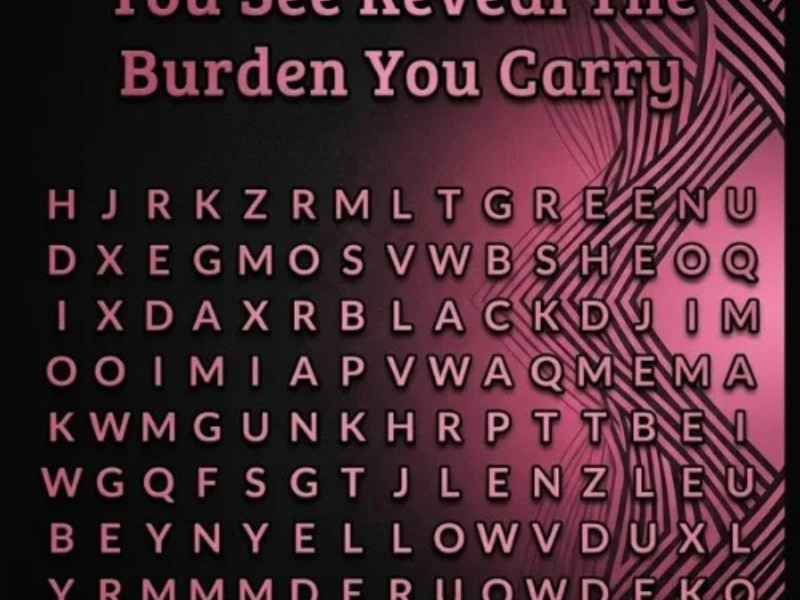
A few months ago, I stumbled across one of those online personality quizzes people take when they’re avoiding real work. The screen was filled with a chaotic swirl of colors—reds bleeding into blues, streaks of yellow, soft pinks, greens, and deep purples layered together like abstract paint splashes.
The instructions were simple:
“Look at the image and notice the first three colors you see. Don’t think too hard.”
So I didn’t.
First, I noticed blue.
Then red.
Then a faded pink.
According to the quiz, blue reflected constant overthinking. Red pointed toward bottled-up frustration. Pink suggested a craving for comfort and softness I rarely allowed myself to experience.
I almost laughed at how accurate it felt.
No, it wasn’t science. A color quiz can’t diagnose your emotions or explain your entire personality. But it did something interesting—it gave me a moment to pause and reflect on what I’d been carrying mentally and emotionally.
Humans have connected color to emotion for centuries. Artists, marketers, therapists, and spiritual traditions all use color symbolism because colors affect how we feel and what captures our attention. While these interpretations aren’t medically proven, they can still act as useful mirrors for self-awareness.
So here’s the exercise:
Take a moment to picture a vibrant mix of colors—or imagine looking at an abstract painting full of overlapping shades.
Don’t analyze. Just notice.
Which three colors stand out first?
Your choices may reveal more about your current emotional state than you expect.
How the Color Exercise Works
- Relax for a moment and clear your mind.
- Imagine a colorful image filled with many shades.
- Let your eyes—or imagination—settle naturally.
- Notice the first three colors that grab your attention.
- Read the interpretations below with curiosity, not judgment.
There are no “wrong” answers. Think of this as a reflection tool rather than a personality diagnosis.
What Different Colors May Represent
❤️ Red — Hidden Anger or Suppressed Passion
If red jumped out at you, you may be carrying intense emotions beneath the surface.
This doesn’t always mean explosive anger. Often, it points to frustration, resentment, or passion that hasn’t found an outlet. You may care deeply about people, fairness, goals, or unmet needs—but keeping all that emotion trapped inside can become exhausting.
What may help:
- Physical movement like walking, lifting weights, or dancing
- Honest conversations
- Creative outlets like music, art, or journaling
Red energy often needs expression, not suppression.
💙 Blue — Mental Overload and Overthinking
Blue is commonly linked to thoughtfulness and introspection. If you noticed blue first, your mind may rarely slow down.
You may replay conversations, worry about the future, or feel responsible for planning everything perfectly. While being thoughtful is a strength, nonstop mental activity can become emotionally draining.
What may help:
- Journaling before bed
- Meditation or breathing exercises
- Time away from screens
- Physical activity that shifts attention into the body
Not every thought deserves your full attention.
💛 Yellow — The Pressure to Stay Positive
Yellow often symbolizes brightness and optimism. But sometimes, people drawn to yellow are the ones trying hardest to appear cheerful even when they’re struggling.
You may be the person who keeps everyone else encouraged while quietly hiding your own stress or sadness.
What may help:
- Allowing yourself to be honest about difficult emotions
- Talking openly with someone you trust
- Letting go of the pressure to appear “fine” all the time
You don’t always have to be the strong one.
💚 Green — Carrying Everyone Else’s Problems
Green is often associated with nurturing, support, and emotional care.
If green stood out, you may be someone who constantly takes care of others—emotionally, practically, or mentally. You remember birthdays, check on friends, help coworkers, and solve problems for everyone around you.
But constantly supporting others can leave little energy for yourself.
What may help:
- Setting healthier boundaries
- Saying “no” without guilt
- Prioritizing rest and self-care
Helping others matters, but so does protecting your own energy.
💜 Purple — Emotional Depth and Sensitivity
Purple is frequently linked to intuition, imagination, and emotional awareness.
People drawn to purple often feel deeply and notice subtle emotional shifts others miss. You may absorb tension in a room or sense unspoken emotions easily.
That sensitivity can be meaningful—but also exhausting.
What may help:
- Quiet time alone
- Creative expression
- Strong emotional boundaries
- Limiting emotional overload
Not every feeling around you belongs to you.
🧡 Orange — Untapped Creativity
Orange is connected to energy, creativity, curiosity, and self-expression.
If orange stood out, you may have ideas, dreams, or creative goals that you keep postponing. Maybe you want to write, paint, build something, travel, or start a new chapter—but life keeps getting in the way.
What may help:
- Starting something small today
- Creating for enjoyment instead of perfection
- Letting yourself experiment without pressure
Creativity needs movement, not permission.
🌸 Pink — Longing for Comfort and Gentleness
Pink often represents tenderness, emotional warmth, and softness.
If pink grabbed your attention, you may secretly crave more peace, affection, or emotional safety than you currently allow yourself.
Sometimes people become so focused on surviving or staying strong that they forget they also deserve care and kindness.
What may help:
- Accepting support from others
- Slowing down
- Allowing vulnerability
- Practicing self-compassion
Softness is not weakness.
🤎 Brown — Unresolved Grief or Emotional Weight
Brown is grounded and connected to memory, history, and emotional roots.
If brown stood out, you may still be carrying grief—whether from losing someone, losing a dream, or leaving behind a version of yourself.
Even old emotional wounds can quietly remain present.
What may help:
- Talking openly about loss
- Writing your feelings down
- Allowing yourself to mourn without rushing the process
Healing doesn’t mean forgetting.
🤍 White — Feeling Invisible or Overlooked
White can symbolize emptiness, simplicity, or invisibility.
If white caught your attention, you may often feel unnoticed in relationships, work, or daily life. You may stay quiet, avoid taking up space, or believe your needs matter less than everyone else’s.
What may help:
- Speaking your opinions more openly
- Asking for what you need
- Letting yourself be seen
You deserve attention and care too.
🖤 Black — Anxiety and Fear of the Unknown
Black is often tied to uncertainty, fear, and the unknown.
If black stood out strongly, you may be carrying ongoing anxiety or a constant sense of worry. Sometimes the fear isn’t even attached to one specific thing—it’s just always there in the background.
What may help:
- Naming your fears clearly
- Breaking large worries into smaller steps
- Talking through anxious thoughts instead of keeping them buried
Fear becomes easier to manage when it’s understood.
What If You Saw Other Colors?
Different shades can carry different meanings too.
- Turquoise: communication struggles or unspoken truths
- Magenta: emotional transformation or major life changes
- Indigo: intuition, inner knowing, or uncertainty about your path
Your personal connection to a color matters more than any universal interpretation.
Why These Tests Feel So Accurate
This kind of exercise works less like science and more like reflection.
Colors themselves don’t magically reveal your deepest secrets. But the colors your attention is drawn toward may reflect what your mind is already focused on emotionally.
If you’re stressed, certain shades may stand out differently than they would during calmer periods of life.
The exercise simply encourages you to pause and ask:
“What am I carrying right now?”
And sometimes, that question alone is powerful.
Common Questions
What if I noticed more than three colors?
That’s completely normal. Focus on the first three that immediately stood out.
What if the same color appeared repeatedly?
That emotion or theme may currently feel especially important in your life.
What if the interpretation doesn’t fit me?
Then trust your own instincts instead. These meanings are guides, not rules.
Is this scientifically proven?
No. This is a reflective exercise, not a psychological assessment or medical tool.
Final Thoughts
Maybe you’re carrying stress. Maybe grief. Maybe exhaustion, fear, anger, or the pressure to always appear okay.
Whatever your colors revealed, remember this:
Awareness is not weakness. Naming what you feel is often the first step toward feeling lighter.
You don’t have to solve everything overnight. Sometimes growth begins with something as simple as recognizing what’s been sitting quietly beneath the surface.
So take another look at your colors.
And ask yourself:
What’s one small thing you can do today to make your emotional load a little lighter?