Let’s Set the Record Straight About Paprika
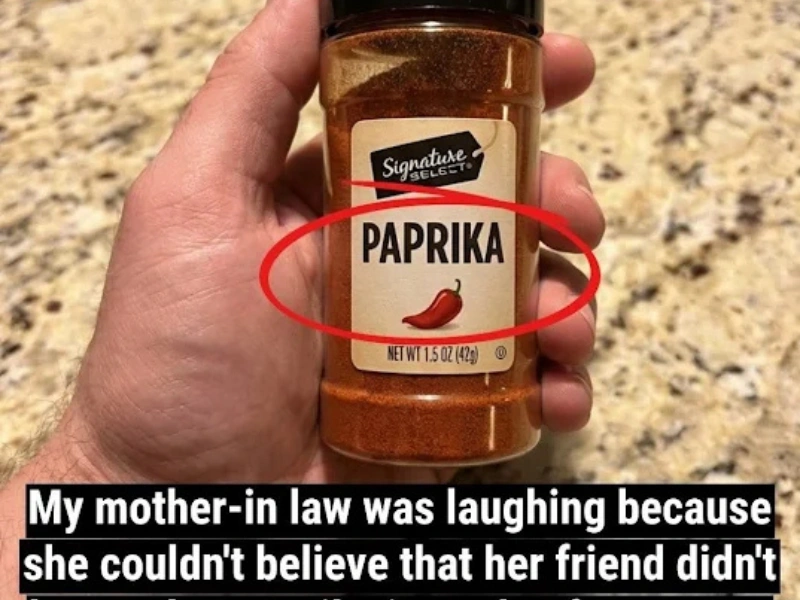
You may have heard the rumor: paprika is made from crushed insects.
It sounds unsettling—but it’s completely false.
Paprika has nothing to do with bugs. It never has. The confusion usually comes from a different red coloring called carmine, which is derived from insects. Paprika, on the other hand, is entirely plant-based. It’s simply a spice made from dried peppers—no hidden ingredients, no surprises.
So if you’ve been avoiding it because of that myth, you can relax. Paprika is safe, natural, and widely used in kitchens around the world.
What Paprika Really Is
At its core, paprika is made by drying and grinding specific types of red peppers from the Capsicum annuum family.
These are the same kinds of peppers that include bell peppers and some chili varieties. The difference lies in the type of pepper used and how it’s processed.
Often, the seeds and inner membranes are removed before grinding. That’s why paprika is usually milder and smoother than crushed red pepper flakes.
Where Paprika Comes From
Paprika’s roots trace back to Central and South America, where peppers originated. After being introduced to Europe, the spice became especially important in two countries:
- Hungary – Famous for developing a wide range of paprika styles, from sweet to spicy. It’s a cornerstone of Hungarian cooking.
- Spain – Known for smoked paprika, often dried over wood fires for a deep, rich flavor.
The United States also produces paprika, though it’s typically milder and used more for color than bold taste.
How Paprika Is Made
Turning fresh peppers into paprika involves several steps:
- Growing – Special pepper varieties are cultivated for color, sweetness, or heat.
- Harvesting – Peppers are picked when fully ripe and deep red.
- Drying – They’re air-dried, sun-dried, or sometimes smoked (for smoked paprika).
- Cleaning – Stems, seeds, and membranes may be removed to control flavor and heat.
- Grinding – The dried peppers are ground into a fine powder.
- Packaging – Stored carefully to preserve color and flavor.
This process explains why high-quality paprika has a richer taste and deeper color than cheaper versions.
Types of Paprika
Paprika isn’t just one flavor—it comes in several varieties:
- Sweet paprika – Mild, slightly sweet, and bright red
- Hot paprika – Spicier with a stronger kick
- Smoked paprika – Deep, smoky flavor from fire-dried peppers
- Half-sweet – A balanced mix of mild and heat
- American paprika – Very mild, often used for color
Each type works differently depending on the dish.
Why the “Bug” Myth Exists
The confusion comes from carmine, a red dye made from crushed cochineal insects. It’s sometimes used in foods and cosmetics.
Paprika can also be used as a natural red coloring, and both may appear on labels as “natural color.” That overlap likely caused the misunderstanding.
But the difference is simple:
- Paprika = ground peppers
- Carmine = insect-based dye
They are not the same thing.
Does Paprika Have Nutritional Value?
Even though it’s used in small amounts, paprika contains beneficial nutrients:
- Vitamin A (from beta-carotene)
- Vitamin E
- Vitamin B6
- Iron
- Capsaicin (in spicier varieties)
It’s not a major source of nutrition on its own, but it adds a small boost along with flavor.
How to Tell If Your Paprika Is Fresh
Paprika loses its quality over time, so freshness matters.
Look for:
- A bright red or deep crimson color
- A slightly sweet or smoky aroma
- A noticeable flavor (not dull or dusty)
If it smells flat or looks faded, it’s probably past its prime.
Storage Tips
To keep paprika at its best:
- Store it in a cool, dark place
- Keep it in a tightly sealed container
- Avoid heat and direct sunlight
- Don’t refrigerate (moisture can ruin it)
Replacing it every 6–8 months helps maintain flavor.
Final Thought
Paprika is one of the simplest spices out there—just dried, ground peppers with centuries of culinary tradition behind it. No mystery, no hidden ingredients, and definitely no insects.
Whether you use it for color, sweetness, heat, or smokiness, it’s a versatile ingredient that can quietly elevate countless dishes.
So the next time someone questions it, you’ll know exactly what to say—and maybe even share a meal seasoned with the real thing. 🌶️