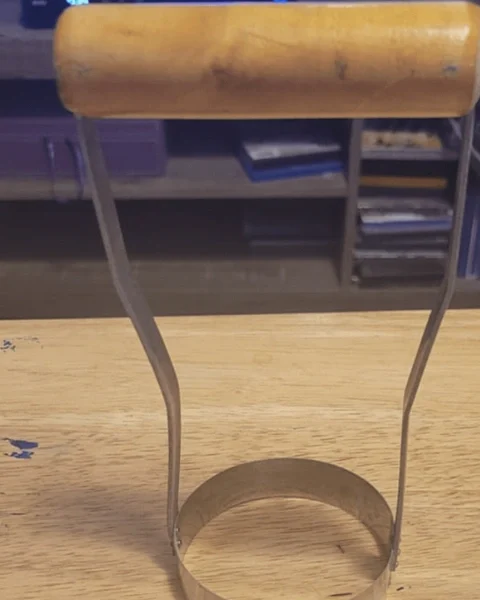
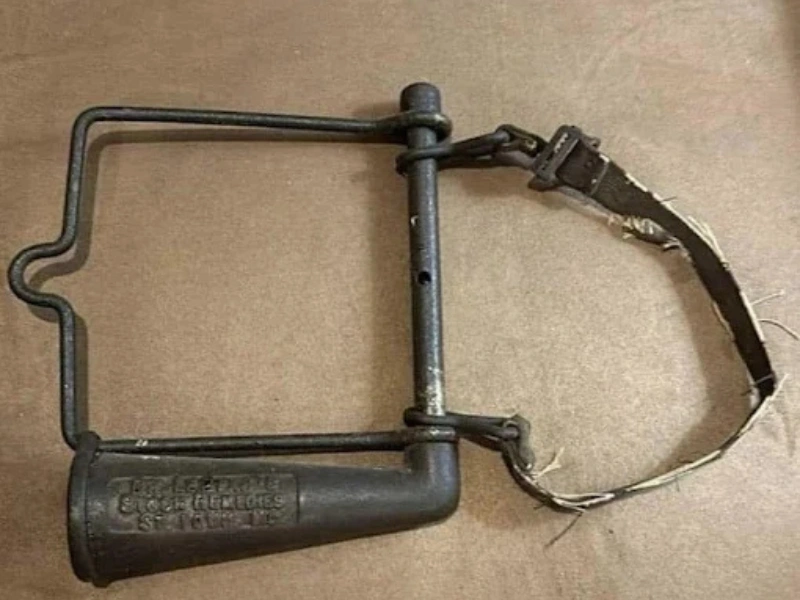
Few antique farm tools spark curiosity quite like the old horse drencher. At first glance, it looks like a strange combination of a bridle bit and a funnel, leaving many people wondering what purpose it once served. But behind that unusual design is a fascinating chapter of veterinary history—one that reflects the creativity and practicality of horse owners from another era.
I first encountered one at a country antique market tucked away in rural Tennessee. It sat among weathered tack, rusted horseshoes, and faded leather straps. The piece immediately caught my attention because of the hollow metal tube running along the side.
“Any idea what this was used for?” I asked the seller.
He grinned and replied, “That’s an old horse medicine bit. Before modern syringes, farmers used those to give liquid medicine to horses.”
The explanation instantly transformed the object from odd scrap metal into something ingenious. Long before plastic dosing syringes and modern veterinary tools existed, farmers needed a safer, more reliable way to medicate large animals—and this clever device solved the problem beautifully.
What Is a Horse Drencher?
A horse drencher, sometimes called a drenching bit or dosing bit, was a tool designed to administer liquid medicine to horses.
It combined two important functions:
- A metal bit that fit inside the horse’s mouth
- A hollow tube used to deliver liquid medication
Most examples were crafted from brass, copper, or cast iron because these metals resisted corrosion from medicinal mixtures.
Typical features included:
- A standard-style bit mouthpiece
- A hollow tube attached alongside the bit
- A funnel or cup opening for pouring liquid
- A small outlet near the mouthpiece where the medicine exited
Once inserted into the horse’s mouth, liquid medication could be poured into the funnel and guided directly toward the back of the tongue, encouraging the horse to swallow naturally.
This design reduced waste and made dosing far easier than older, messier methods.
Why Horse Drenchers Were Invented
Treating horses in the 1800s was far more difficult than it is today. Injectable medicines were uncommon, and giving pills to a large, stubborn animal wasn’t practical.
Early attempts at administering medicine often involved bottles, horns, or crude pouring devices. These methods were risky because frightened horses could choke, rear, or spit the medicine back out.
Farmers and veterinarians needed a better solution.
By the late 19th century, inventive blacksmiths and veterinary suppliers began producing drenching bits that combined restraint and medicine delivery into one tool. The bit stabilized the horse, while the hollow channel carried liquid safely into the mouth.
For decades, these devices became standard equipment on farms, ranches, and in veterinary kits.
How the Device Worked
Using a drencher required patience and careful handling.
Step 1: Prepare the Medicine
Liquid remedies were mixed beforehand. Common mixtures included herbal tonics, saltwater blends, oils, molasses, or early pharmaceutical treatments.
Step 2: Secure the Horse
The horse was usually haltered and either tied safely or held by an assistant.
Step 3: Insert the Bit
The drencher was placed into the horse’s mouth like an ordinary bridle bit.
Step 4: Pour the Liquid
Medicine was slowly poured into the funnel opening at the top.
Step 5: Deliver the Dose
The liquid traveled through the hollow tube and emptied near the back of the tongue, making it harder for the horse to spit the medicine out.
Step 6: Monitor the Animal
Afterward, the horse was observed closely for coughing, choking, or signs of distress.
Although the process wasn’t especially pleasant, it was considered a major improvement over earlier techniques.
The Rise and Fall of the Horse Drencher
Horse drenchers became widely used between the late 1800s and the early 1900s. Some manufacturers even patented elaborate versions with specialized funnels and improved tubing systems.
But veterinary medicine evolved quickly.
By the mid-20th century, plastic dosing syringes, injectable medications, and modern oral applicators replaced these heavy metal tools. They were safer, easier to clean, and less stressful for animals.
As farms modernized, old drenchers were discarded, melted down for scrap, or forgotten in barns and tack rooms.
Today, surviving examples are prized by collectors.
How to Recognize an Antique Horse Drencher
If you stumble across one at a flea market or estate sale, there are several easy ways to identify it.
Common Characteristics
- Made from brass, copper, or cast iron
- Heavier than a normal horse bit
- Includes a hollow metal tube
- Has a funnel-shaped opening
- Features a traditional-style mouthpiece
Possible Markings
Some antique drenchers include:
- Patent dates
- Manufacturer stamps
- Agricultural company names
- Numbers or initials cast into the metal
These markings can help determine the age and origin of the piece.
Why Collectors Love Them
Antique horse drenchers appeal to collectors for several reasons.
Historical Importance
They represent an era when veterinary medicine relied heavily on practical craftsmanship and farm ingenuity.
Unique Design
The combination of a horse bit and medicine delivery system makes them instantly recognizable conversation pieces.
Handcrafted Beauty
Many were carefully finished in brass or copper and feature elegant shaping or decorative details.
Growing Rarity
Because many old metal farm tools were recycled during wartime scrap drives, intact drenchers have become increasingly hard to find.
Depending on condition and rarity, antique drenchers can sell anywhere from modest prices to several hundred dollars.
Caring for an Antique Drencher
If you own one, proper care helps preserve both its appearance and historical value.
Cleaning Tips
- Use a soft cloth and gentle brass or copper polish
- Avoid steel wool or abrasive scrubbers
- Preserve original patina if you prefer an aged appearance
Storage
- Keep in a dry environment
- Avoid excessive humidity
- Display safely on shelves or in shadow boxes
Restoration
Minor repairs may be possible, but collectors often prefer original pieces—even with wear—over heavily restored examples.
Frequently Asked Questions
Are antique horse drenchers still safe to use?
Not really. Older metals may contain harmful materials, and modern veterinary equipment is far safer and more hygienic.
Were they only used for horses?
Mostly, though some were occasionally adapted for cattle or mules.
Can cracked or damaged drenchers be repaired?
Small repairs are possible, but extensive restoration may reduce collectible value.
Are they valuable?
Value depends on age, rarity, manufacturer markings, and condition. Rare examples can be surprisingly collectible.
A Small Tool With a Big Story
What makes these antique horse drenchers so fascinating isn’t just their unusual appearance—it’s what they represent.
They tell the story of a time when caring for animals required resourcefulness, patience, and hands-on skill. Farmers didn’t have disposable plastic tools or modern veterinary clinics nearby. They relied on durable equipment built to solve real problems.
That old brass device hanging on a barn wall or resting on a collector’s shelf once played an important role in keeping valuable horses alive and healthy.
Today, it survives not as a medical tool, but as a reminder of agricultural history and the ingenuity of the people who worked the land before us.
So if you ever come across one of these curious pieces at an antique shop or tucked away in an old barn, take a closer look. You might just be holding a forgotten piece of veterinary history. 🐴⚙️✨