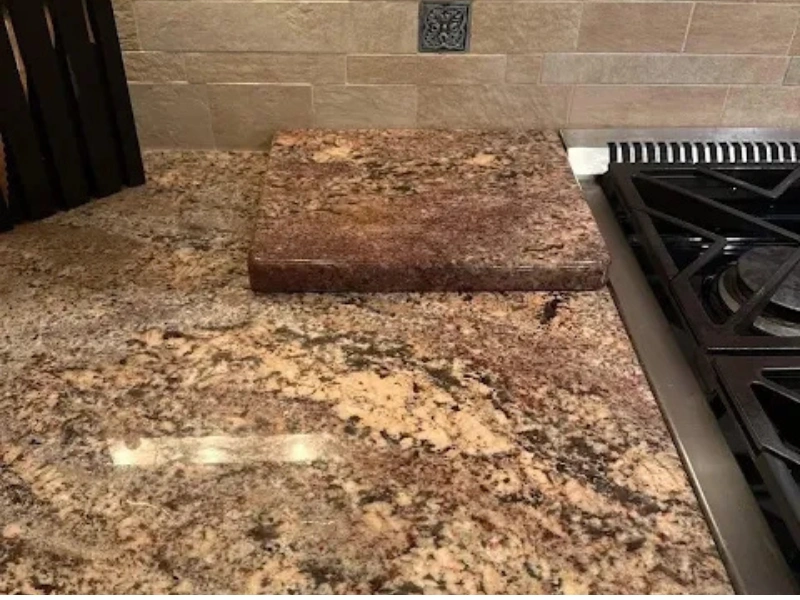
Maybe you’ve seen one tucked away in a cabinet or resting behind old cookware: a thick slab of polished stone with no label and no obvious purpose. At first glance, it might look like leftover countertop material, but in many older kitchens, these granite boards were prized baking tools passed down through generations.
Long before modern silicone mats and chilled pastry stations, home bakers relied on heavy granite slabs to keep dough cool, smooth, and easy to work with. These simple stones may not look impressive, but they’re surprisingly practical and still incredibly useful today.
Why Bakers Used Granite Slabs
Granite naturally stays cool for a long time, which makes it ideal for pastry work. Cold surfaces help prevent butter from melting too quickly while rolling pie crusts, biscuits, or scones.
Keeping butter cold is one of the secrets to flaky baked goods. As chilled butter melts in the oven, it creates steam pockets that produce tender, layered textures.
A granite slab acts almost like a built-in cooling station right on your countertop.
How to Use a Granite Slab for Baking
For Pie Dough and Biscuits
Step 1: Chill the Stone
Place the granite slab in the refrigerator or freezer for about 20–30 minutes before using it.
Step 2: Lightly Flour the Surface
Dust the top with a thin layer of flour to prevent sticking.
Step 3: Roll Out Dough
Place chilled dough directly on the cold surface and roll as usual.
The cool stone helps keep butter firm while you work, improving texture and reducing stickiness.
Step 4: Clean Properly
After use, wipe the slab with a damp cloth and dry it thoroughly. Avoid soaking it in water for long periods.
Great for Chocolate and Candy Making
Granite is also useful when working with melted chocolate or homemade candies because it absorbs heat evenly.
How It Helps
When tempered chocolate is spread across a cool stone surface, it cools gradually and evenly, helping the chocolate harden with a glossy finish and crisp snap.
Candy makers have used stone surfaces for years to handle caramel, fudge, and other sticky mixtures more easily.
An Elegant Serving Board
Because granite remains cool, it also works beautifully as a serving platter for foods that benefit from lower temperatures.
Perfect For:
- Cheese boards
- Charcuterie
- Fruit
- Chocolates
- Cold desserts
Simply chill the slab beforehand and arrange your foods directly on top. The stone helps keep everything cool during gatherings and dinner parties.
Why Many People Preferred Granite Over Marble
Both granite and marble have long been used in kitchens, but granite offers several practical advantages.
Granite Is More Durable
Granite is harder and less likely to scratch or chip during everyday use.
It Resists Stains Better
Acidic foods like lemon juice or vinegar can damage marble more easily, while granite generally handles them better when sealed properly.
Easier to Maintain
Granite tends to be less porous and more forgiving in busy kitchens.
Marble remains popular in some pastry traditions, especially in Europe, but granite became a practical favorite in many American homes because of its toughness and affordability.
How to Tell If You Have a Granite Pastry Slab
Not every stone board is designed for baking, but many vintage pastry slabs share similar features.
Common Characteristics
- Usually rectangular
- Around 10×14 or 12×16 inches
- Heavy for their size
- Smooth polished top
- Rough or unfinished underside
- Approximately ½ to 1 inch thick
Some may have rubber feet or slightly beveled edges.
If it feels surprisingly heavy and stays cool to the touch, there’s a good chance it’s genuine granite.
Where to Find One Today
If you don’t already own one, granite pastry slabs are still available.
Places to Look
- Kitchen supply stores
- Home goods stores
- Antique shops
- Online marketplaces
- Local countertop fabricators
Countertop shops often sell leftover granite remnants at affordable prices and may even polish the edges for you.
Caring for a Granite Slab
Granite is durable, but proper care helps it last for years.
Do:
- Wipe clean after each use
- Dry thoroughly
- Store in a cool, dry place
- Use mild soap occasionally if needed
Don’t:
- Put it in the dishwasher
- Soak it for extended periods
- Use harsh cleaners
- Drop it on hard floors
If water soaks into the stone instead of beading up, it may need resealing with a food-safe granite sealer.
Frequently Asked Questions
Is granite safe for food?
Yes, especially when sealed properly. Granite is commonly used for kitchen surfaces and serving boards.
Can I cut directly on it?
You can, but it’s not ideal. Granite quickly dulls knife blades.
Can it handle heat?
Granite tolerates heat well, but sudden temperature changes may cause cracking. Avoid placing extremely hot cookware directly onto a cold slab.
Does dough still need flour?
Yes. Even smooth stone surfaces benefit from a light dusting of flour.
What if the slab cracks?
Small cracks may sometimes be repaired with food-safe epoxy, but larger cracks can weaken the stone significantly.
A Timeless Kitchen Tool Worth Keeping
There’s something special about tools that quietly survive generations. Granite pastry slabs may not be trendy, but they remain incredibly functional for baking, serving, and candy making.
Many people inherit these stones from parents or grandparents without realizing their purpose. Yet once you start using one for pie dough or biscuits, it quickly becomes clear why older bakers treasured them.
Simple tools often last the longest. A solid granite slab, a rolling pin, and a good recipe are sometimes all you really need.
So before you donate that mysterious stone tucked away in your cabinet, consider giving it a second life in your kitchen. Your pastries—and probably your grandmother—would approve.