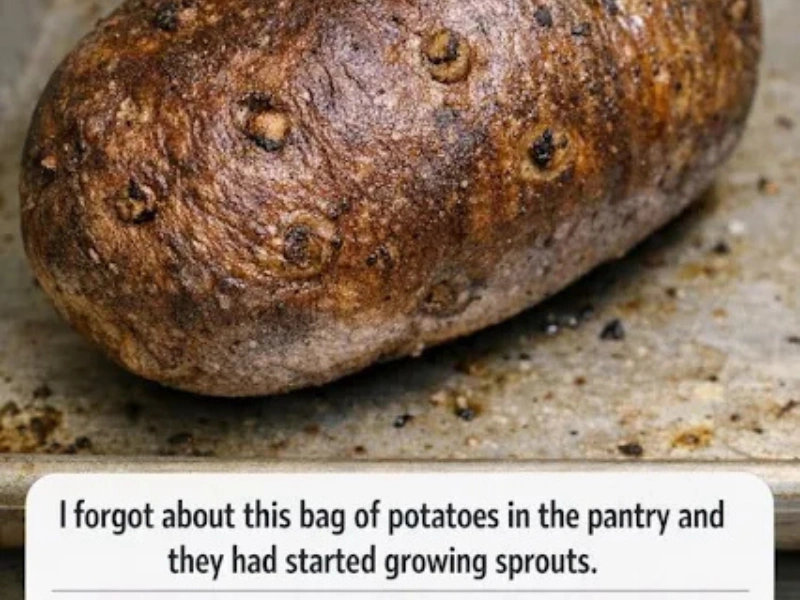
You reach into the pantry, grab a bag of potatoes you forgot about, and suddenly notice pale sprouts sticking out from every direction. It’s a situation almost everyone has experienced at some point.
The first thought is usually the same:
“Are these still safe to eat?”
The good news is that sprouted potatoes are not automatically dangerous. In many cases, they can still be used safely if prepared properly. The key is knowing what signs to look for and when it’s better to throw them away.
Let’s break it down clearly and simply.
The Quick Answer
Yes, sprouted potatoes can often still be eaten if:
- The sprouts are completely removed
- Any green areas are cut away
- The potato remains firm and fresh-looking
However, if the potato is:
- Soft
- Wrinkled
- Mushy
- Strongly green
- Bad-smelling
…it’s best to discard it.
Sprouting alone does not automatically mean a potato is unsafe, but proper preparation matters.
Why Potatoes Start Sprouting
Potatoes are living vegetables even after harvest. Inside each potato are small buds, often called “eyes,” that can begin growing under the right conditions.
Warm temperatures, moisture, and light encourage sprouting.
As this happens, the potato naturally produces compounds called glycoalkaloids, including solanine. These substances help protect the potato from pests but can become harmful in high amounts.
Solanine is most concentrated in:
- The sprouts
- The eyes
- Green areas of the potato
The inner flesh usually contains much lower levels, especially if the potato is still firm and healthy.
Can Sprouted Potatoes Make You Sick?
In large quantities, solanine can cause food poisoning symptoms such as:
- Nausea
- Stomach cramps
- Vomiting
- Diarrhea
- Headaches
Severe reactions are uncommon and usually involve eating heavily green or badly spoiled potatoes.
Most people are unlikely to experience problems if they remove the sprouts and green spots before cooking.
One important clue is taste. Potatoes with high solanine levels often taste unusually bitter or unpleasant.
If something tastes off, stop eating it.
How to Safely Use Sprouted Potatoes
1. Check the Texture
A firm potato is usually still usable.
Throw it away if it feels:
- Soft
- Shrinking
- Wrinkled
- Slimy
2. Remove All Sprouts
Snap off or cut away every sprout completely.
It’s also a good idea to cut out the little “eyes” where the sprouts were growing.
3. Cut Away Green Areas
Green patches indicate exposure to light and increased solanine production.
Trim away all green sections generously.
If most of the potato is green, it’s safer to discard the whole thing.
4. Peel the Potato
Although optional, peeling removes much of the area where toxins are concentrated.
This adds an extra layer of safety.
5. Cook Thoroughly
Bake, boil, roast, or fry the potatoes as usual.
Cooking improves flavor and texture, though it does not completely remove solanine.
When You Should Throw Potatoes Away
It’s better not to risk eating potatoes that show serious signs of spoilage.
Discard potatoes if they:
- Feel mushy or wet
- Have large green patches
- Smell rotten or fermented
- Show black spots or mold
- Leak liquid
- Have been sitting for an extremely long time
When in doubt, replacing a cheap bag of potatoes is safer than risking illness.
How to Keep Potatoes From Sprouting
Proper storage helps potatoes stay fresh much longer.
Store in a Cool, Dark Place
A pantry, basement, or cupboard away from heat works best.
Avoid Plastic Bags
Paper bags or baskets allow better airflow and reduce moisture buildup.
Keep Away From Onions
Onions release gases that encourage potatoes to sprout faster.
Don’t Refrigerate Raw Potatoes
Cold temperatures affect texture and flavor by converting starches into sugar.
Check Them Regularly
Look through your potatoes every week or two and remove any that are sprouting or softening.
Common Questions
Can You Eat Sweet Potatoes With Sprouts?
Yes, if they are still firm. Remove sprouts and any damaged areas before cooking.
Can Sprouted Potatoes Be Planted?
Absolutely. Sprouted potatoes can grow into new potato plants if planted in soil.
Are Sprouted Potatoes Dangerous for Pets?
Yes. Dogs and cats should not eat sprouted or green potatoes because solanine can be toxic to them.
Why Do Potatoes Turn Green?
Exposure to light causes chlorophyll production, which is often linked to increased solanine levels.
Can You Eat the Sprouts Themselves?
No. Potato sprouts contain the highest concentration of solanine and should always be discarded.
Final Thoughts
Finding sprouts on potatoes doesn’t necessarily mean the whole bag belongs in the trash. If the potatoes are still firm and healthy-looking, removing the sprouts and green spots is usually enough to make them safe to cook and enjoy.
But heavily green, soft, or spoiled potatoes should always be thrown away.
A quick inspection before cooking can help you avoid waste while still keeping your meals safe.
And maybe next time, those potatoes won’t get forgotten in the back of the pantry quite so long. 🥔🌱