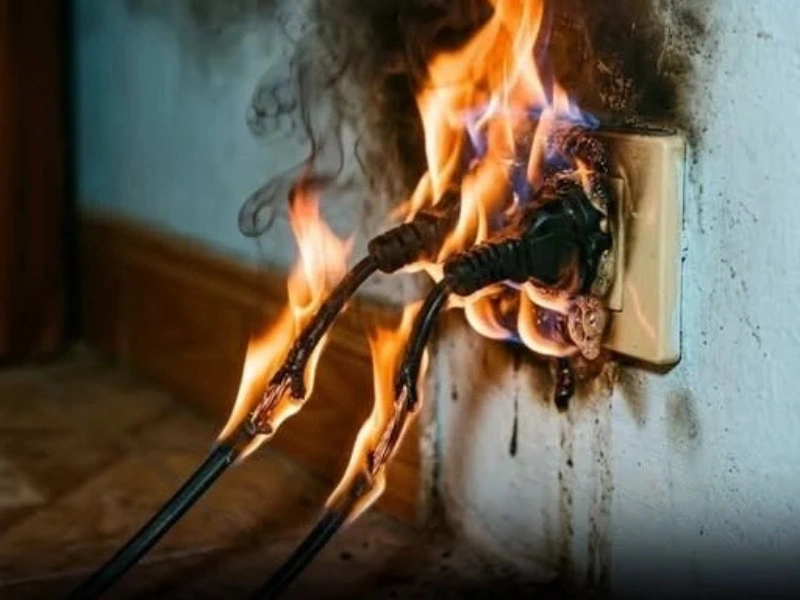
Most people head to bed without giving a second thought to the appliances sitting quietly on their kitchen counters. But many overnight house fires begin exactly that way — with a device left plugged in long after it was used.
Electrical problems can happen silently. A faulty switch, overheating component, damaged cord, or power surge may be enough to spark a dangerous fire while everyone in the house is asleep. Knowing which appliances carry the highest risk — and building a simple nighttime safety routine — can make a major difference in protecting your home and family.
A Real Reminder of How Quickly Things Can Go Wrong
A neighbor of mine once woke up in the middle of the night to the sound of smoke alarms. The fire had started in the kitchen around 2 AM. Investigators later traced it back to a toaster that had been left plugged in on the counter.
The appliance was not being used. There was no bread inside. But a faulty heating element overheated during the night, igniting crumbs trapped at the bottom of the toaster. By the time the fire was discovered, flames had spread to nearby cabinets.
Thankfully, everyone escaped safely — but the kitchen was destroyed.
Since hearing that story, I have made it a habit to unplug certain appliances every single night before bed.
The Biggest Fire Risk: Toasters and Toaster Ovens
Why They Can Be Dangerous
Toasters and toaster ovens contain exposed heating elements that can malfunction unexpectedly. Problems such as worn wiring, stuck switches, defective thermostats, or crumb buildup can cause the appliance to overheat even when it is not actively being used.
A small spark inside the appliance can quickly ignite crumbs, paper towels, or nearby materials.
What Can Happen
Imagine making breakfast in the morning and leaving the toaster plugged in afterward. Hours later, a power fluctuation or internal fault causes the heating coils to activate. With nothing inside to absorb the heat, the coils continue to get hotter until crumbs or nearby plastic begin to burn.
Kitchen fires can spread rapidly, especially overnight when no one notices the warning signs right away.
The Simple Solution
Always unplug your toaster or toaster oven after use — especially before leaving the house or going to sleep.
Other Kitchen Appliances Worth Unplugging
Coffee Makers
Coffee makers contain heating plates and electrical components that can fail unexpectedly. Timers and auto-brew features may malfunction during power outages or surges.
Safety Tip
Unplug the coffee maker after brewing. If you rely on an automatic timer, consider using a smart outlet with safety protection.
Electric Kettles
Electric kettles heat water extremely quickly, which means their heating elements generate significant heat.
Safety Tip
Disconnect the kettle after each use to reduce the risk of overheating or electrical failure.
Air Fryers
Air fryers use powerful heating systems and fans that operate at high temperatures. Because they consume a large amount of electricity, faulty wiring or overheating can become a fire hazard.
Safety Tip
Do not leave air fryers plugged in overnight.
Older Slow Cookers
Older slow cookers may lack modern safety features such as automatic shutoff protection.
Safety Tip
Inspect older models regularly and unplug them when not in use.
Bread Machines
Bread machines combine heating elements and moving motors, both of which can fail over time.
Safety Tip
Unplug after baking is complete.
Electric Skillets and Griddles
These countertop appliances generate a great deal of heat and may overheat if wiring or temperature controls fail.
Safety Tip
Disconnect them after every use.
Why Nighttime Electrical Fires Are Especially Dangerous
Electrical fires that begin overnight are particularly risky for several reasons:
- People are asleep and may not notice smoke immediately
- Small fires can grow for hours before detection
- Smoke inhalation can cause confusion and unconsciousness
- Electrical fires often start silently without visible flames
By the time alarms sound, the fire may already have spread beyond the appliance itself.
Additional Kitchen Fire Safety Tips
Install Smoke Alarms
Place smoke detectors:
- In or near the kitchen
- Outside sleeping areas
- On every level of the home
Test them monthly and replace batteries regularly.
Keep a Fire Extinguisher Nearby
An ABC-rated fire extinguisher is ideal for kitchens because it works on grease, electrical, and ordinary household fires.
Store it somewhere accessible — preferably near the kitchen exit.
Inspect Power Cords
Check cords regularly for:
- Cracks
- Fraying
- Loose plugs
- Hot spots
Damaged appliances should be repaired or replaced immediately.
Avoid Overloading Outlets
High-powered appliances should not share overloaded outlets or extension cords.
Too much electrical demand can overheat wiring and increase fire risk.
Keep Flammable Items Away
Never store paper towels, dishcloths, or plastic containers close to heat-producing appliances.
Clean Appliances Regularly
Grease, crumbs, and dust can become fuel sources if an appliance overheats.
Regularly clean:
- Toaster crumb trays
- Air fryer baskets
- Coffee makers
- Vent areas and cords
Appliances That Are Generally Safe to Leave Plugged In
Refrigerator
Modern refrigerators are designed for continuous use and should remain plugged in.
Microwave
Microwaves are generally low-risk when idle and can stay connected safely.
Oven or Stove
Most ranges are hardwired or use heavy-duty outlets. Instead of unplugging, simply ensure burners and controls are turned off.
Dishwasher
A dishwasher that is not running is generally considered safe to leave plugged in.
A Simple Nightly Kitchen Safety Routine
A quick evening check can dramatically reduce household fire risk.
Before bed:
- Unplug the toaster and toaster oven
- Unplug coffee makers and kettles
- Disconnect air fryers and countertop cooking appliances
- Check that the stove and oven are off
- Make sure dishwashers and appliances have completed their cycles
- Ensure smoke alarms are functioning
The entire process takes less than a minute.
Frequently Asked Questions
Do I Really Need to Unplug My Toaster Every Night?
Yes. Toasters remain one of the most common causes of electrical kitchen fires.
Is a Surge Protector Enough?
Surge protectors help against voltage spikes, but they cannot prevent an appliance from overheating internally.
What About Appliances With Auto Shut-Off?
Auto shut-off features improve safety, but they do not completely eliminate the possibility of electrical failure.
Should I Unplug Pressure Cookers and Instant Pots?
It is a good idea to unplug them after use, especially if they remain on the countertop overnight.
A Small Habit That Can Make a Big Difference
Most kitchen appliances are perfectly safe when functioning properly. The danger comes when electrical components fail unexpectedly.
Unplugging certain appliances before bed is one of the easiest and most effective safety habits you can develop. It costs nothing, takes only seconds, and may help prevent a devastating fire.
Tonight, before you go to sleep, take one quick walk through your kitchen. Unplug the appliances you do not need overnight. Check your smoke alarms. Clear away anything flammable near heat sources.
Sometimes the smallest habits provide the greatest protection.