Introduction
A reliable pastry dough recipe is one of the most valuable skills in baking. This soft pastry dough creates a tender, buttery crust that works beautifully for everything from fruit pies and rustic tarts to savory quiches and hand-held pastries. Made with a handful of pantry staples, it delivers a delicate texture and rich flavor without requiring complicated techniques.
The secret to achieving a light, flaky crust is keeping the ingredients cold and handling the dough as little as possible. Small pieces of butter remain throughout the dough, creating layers that bake into a crisp yet tender pastry. A touch of sugar adds subtle sweetness, while vanilla extract can be included for dessert recipes.
Whether you’re preparing a family pie or experimenting with homemade pastries, this versatile dough is an excellent foundation for countless baked creations.
Ingredients
- 2½ cups all-purpose flour (300 g)
- ¼ cup granulated sugar (50 g)
- ½ teaspoon salt
- 1 cup unsalted butter, cold and cut into small cubes (226 g)
- ¼ cup cold water (60 ml)
- 1 large egg yolk
- 1 teaspoon vanilla extract (optional)
Instructions
Step 1: Combine the Dry Ingredients
In a large mixing bowl, whisk together the flour, sugar, and salt until evenly blended.
Step 2: Incorporate the Butter
Add the cold butter cubes to the flour mixture. Using a pastry cutter, fork, or your fingertips, work the butter into the flour until the mixture resembles coarse crumbs with a few pea-sized pieces remaining.
These small pockets of butter are what create the dough’s signature flaky texture.
Step 3: Prepare the Liquid Mixture
In a separate bowl, whisk together the cold water, egg yolk, and vanilla extract if using.
Slowly drizzle this mixture into the flour mixture, stirring gently with a fork until the dough begins to hold together.
Step 4: Form the Dough
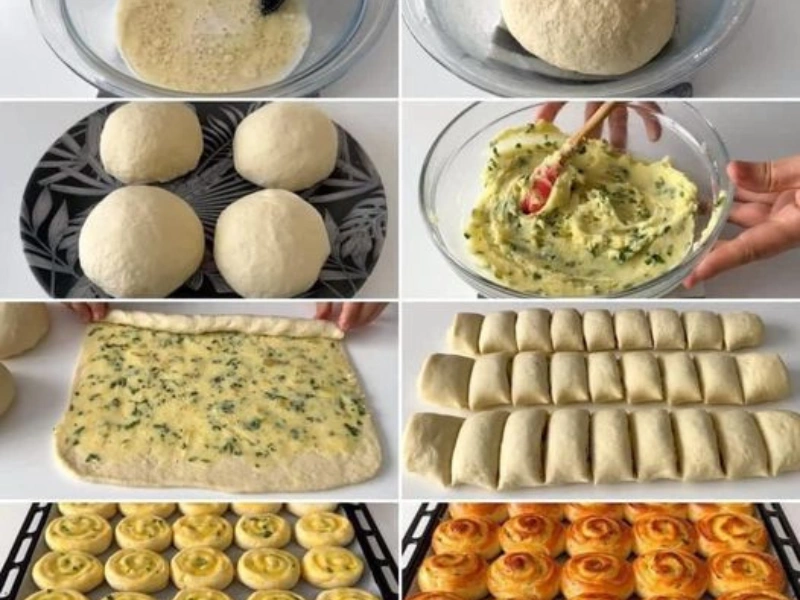
Transfer the mixture onto a lightly floured surface. Gently press and fold the dough just until it comes together into a smooth mass.
Avoid excessive kneading, which can make the finished pastry tough.
Step 5: Chill
Divide the dough into two equal portions and shape each into a flat disk.
Wrap each disk tightly in plastic wrap and refrigerate for at least one hour. The dough can remain refrigerated for up to two days before use.
Step 6: Roll and Use
When ready to bake, remove the dough from the refrigerator and let it sit for several minutes until slightly softened.
Roll it out on a lightly floured surface to about ⅛-inch thickness, or according to your recipe requirements.
Tips for Perfect Pastry Dough
Keep Everything Cold
Cold butter and cold water are essential for creating a flaky crust. If the dough becomes too warm during preparation, place it back in the refrigerator for a few minutes.
Avoid Overmixing
Mix only until the ingredients come together. Excess handling develops too much gluten and can lead to a dense or tough pastry.
Always Chill Before Baking
Refrigerating the dough before baking helps prevent shrinking and encourages a tender texture.
Roll Gently
Use light pressure when rolling to preserve the air pockets and butter layers that contribute to flakiness.
Prevent Sticking
Lightly dust your work surface and rolling pin with flour while rolling out the dough.
Experiment with Flavors
Enhance the dough by adding:
- Citrus zest
- Ground cinnamon
- Nutmeg
- Almond extract
- Vanilla bean paste
Make Ahead
This dough freezes exceptionally well. Wrap tightly and freeze for up to three months. Thaw overnight in the refrigerator before using.
Ways to Use This Dough
This pastry dough is suitable for both sweet and savory baking projects, including:
- Fruit pies
- Custard pies
- Tart shells
- Quiches
- Galettes
- Turnovers
- Hand pies
- Mini pastries
- Savory vegetable tarts
- Cheese-filled pastries
Its buttery flavor complements a wide variety of fillings, making it a versatile staple for any baker.
Why This Recipe Works
The combination of cold butter and minimal mixing creates distinct layers throughout the dough. As the pastry bakes, the butter melts and releases steam, producing a flaky structure with a tender crumb.
The egg yolk contributes richness and helps create a smooth, workable dough, while the small amount of sugar enhances flavor without making the crust overly sweet.
Allowing the dough to rest in the refrigerator relaxes the gluten and firms the butter, resulting in a pastry that’s easier to roll out and less likely to shrink during baking.
Final Thoughts
Making pastry dough from scratch is easier than many people expect, and the difference in flavor and texture is remarkable. This soft pastry dough delivers a buttery, delicate crust that elevates everything from simple pies to elegant tarts.
Once you master this basic recipe, you’ll have a dependable foundation for countless desserts and savory dishes. With a little patience and proper technique, you can create bakery-quality pastries right in your own kitchen.
Happy baking!