Most people walk past purslane every day without realizing how valuable it really is. This small leafy plant often grows in gardens, sidewalks, and empty patches of soil, and many people remove it like an ordinary weed.
But purslane is far more impressive than it looks.
Known scientifically as Purslane, this succulent green has been used for generations in traditional cooking and herbal wellness practices around the world. Today, researchers and nutrition experts are paying closer attention to it because of its rich nutrient profile and potential health benefits — especially for older adults.
For people over 60, adding nutrient-rich greens to everyday meals can help support overall wellness, and purslane may be one of the easiest and most affordable options available.
What Is Purslane?
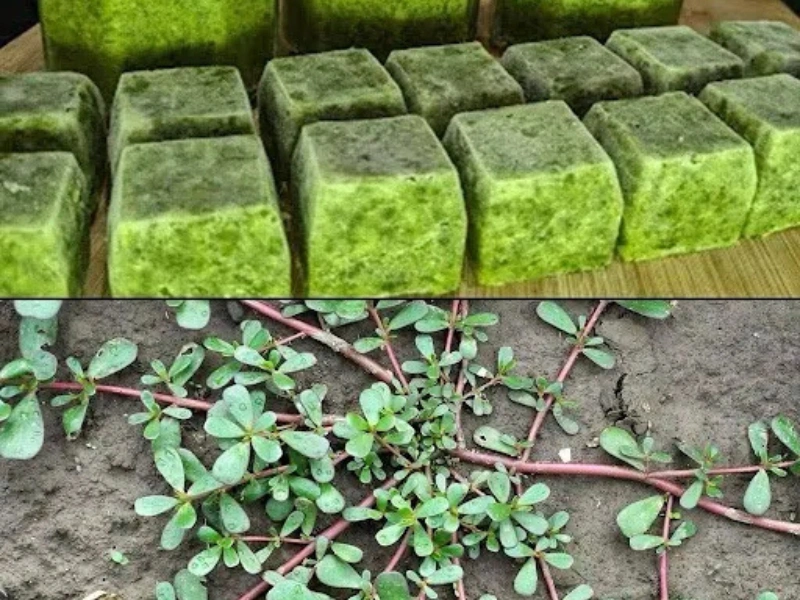
Purslane is a low-growing succulent plant with smooth stems, thick green leaves, and tiny yellow flowers. It has a crisp texture and a slightly tangy, lemon-like flavor that works well in many dishes.
Although some gardeners consider it invasive, purslane is commonly eaten in Mediterranean, Middle Eastern, Asian, and Latin American cuisines. It can be enjoyed raw, cooked, blended into drinks, or added to soups and stews.
Its ability to thrive in difficult conditions is impressive, but its nutritional value is what truly makes it stand out.
Why Purslane Is So Nutritious
Purslane contains several important nutrients that may help support healthy aging.
Omega-3 Fatty Acids
One of the most unique qualities of purslane is its omega-3 content. It is considered one of the richest plant-based sources of alpha-linolenic acid (ALA), a beneficial fatty acid linked to heart and brain health.
For adults over 60, omega-3 fats may help support:
- Cardiovascular health
- Cognitive function
- Joint comfort
- Reduced inflammation
Antioxidants
Purslane contains antioxidants such as vitamins C and E, beta-carotene, and naturally occurring plant compounds that help protect cells from oxidative stress.
These antioxidants may help:
- Support immune health
- Protect skin from environmental damage
- Reduce the effects of aging-related cellular stress
Important Minerals
This leafy green also provides minerals like:
- Magnesium
- Potassium
- Calcium
- Iron
These nutrients play roles in bone strength, muscle function, hydration, and blood pressure support.
Fiber and Hydration
Because purslane contains both water and dietary fiber, it may also support digestion and hydration — two important concerns for older adults.
Potential Benefits of Eating Purslane Regularly
While no single food is a cure-all, adding purslane to a balanced diet may offer several wellness benefits.
May Support Heart Health
The combination of omega-3 fats, potassium, and antioxidants may help support healthy circulation and cardiovascular function.
These nutrients are commonly associated with maintaining healthy blood pressure and supporting overall heart wellness.
Could Help Protect Brain Function
Healthy fats and antioxidants are important for the brain, especially as people age. Some early research suggests that compounds in purslane may help protect brain cells from oxidative damage.
Traditional wellness practices have also long associated purslane with mental clarity and nervous system support.
Supports Bone Health
Calcium and magnesium contribute to maintaining strong bones, which becomes increasingly important later in life.
Pairing purslane with foods rich in vitamin D may help the body better utilize calcium.
May Help Reduce Inflammation
Chronic inflammation has been linked to many age-related health concerns. Purslane contains plant compounds that may help support the body’s natural inflammatory response.
Can Support Healthy Digestion
Its fiber and moisture content may help promote digestive comfort and regularity.
The plant’s soft, succulent texture may also feel soothing in soups and cooked dishes.
May Contribute to Better Skin
Vitamin C and beta-carotene help support healthy skin by contributing to collagen production and protection from environmental stress.
Could Promote Relaxation and Sleep
Purslane contains naturally occurring compounds associated with mood and relaxation, and some people enjoy it as part of calming evening meals.
Easy Ways to Eat Purslane
Purslane is versatile and easy to include in everyday cooking.
Raw in Salads
Young leaves and stems add a fresh, crisp texture to salads. It pairs especially well with:
- Tomatoes
- Cucumbers
- Feta cheese
- Lemon dressing
Cooked Dishes
You can sauté purslane with garlic and olive oil or add it to soups, stews, rice dishes, and stir-fries.
Cooking softens the texture and creates a mild, earthy flavor.
Smoothies
A small handful can be blended into smoothies for an extra nutrient boost without overpowering the taste.
Pickled Purslane
Some people preserve purslane in vinegar brine to create a tangy side dish or topping.
Simple Purslane Salad Recipe
Here’s an easy way to enjoy it:
Ingredients
- 2 cups chopped fresh purslane
- 1 cup cherry tomatoes, halved
- ¼ cup crumbled feta cheese
- 1 tablespoon olive oil
- 1 teaspoon lemon juice
- Salt and black pepper to taste
Directions
Combine all ingredients in a bowl and toss gently before serving.
The result is fresh, light, and packed with nutrients.
Important Safety Notes
Purslane is generally considered safe when eaten as food, but there are a few things to keep in mind.
Oxalate Content
Like spinach, purslane contains oxalates. People with a history of kidney stones may want to enjoy it in moderation and stay well hydrated.
Medication Considerations
Because purslane may influence blood sugar or circulation, anyone taking medications for diabetes, blood pressure, or blood thinning should speak with a healthcare professional before eating large amounts regularly.
Foraging Carefully
If harvesting wild purslane, only pick it from areas free of pesticides, herbicides, or contamination.
When unsure, buying from a market is the safer option.
Frequently Asked Questions
What Does Purslane Taste Like?
It has a fresh, slightly tart flavor with a crisp texture similar to watercress or spinach with a hint of lemon.
Can You Eat It Every Day?
Most people can enjoy moderate amounts daily as part of a balanced diet.
Is It Better Raw or Cooked?
Both options work well. Raw purslane stays crisp and refreshing, while cooked purslane becomes softer and milder.
Is Purslane Better Than Other Greens?
It offers unique benefits, especially its omega-3 content, but it works best alongside a variety of vegetables and leafy greens.
Final Thoughts
Purslane may not look impressive at first glance, but this simple green plant is packed with nutrients that can support healthy aging and overall wellness.
It won’t stop aging or replace medical care, but including nutrient-dense foods like purslane in your meals can be one small step toward better health.
Sometimes the most valuable ingredients aren’t found in expensive supplements or trendy superfoods — they’re quietly growing right outside our doors. 🌿