8 Humane Ways to Keep Snakes Out of Your Yard Naturally
A Surprising Garden Encounter
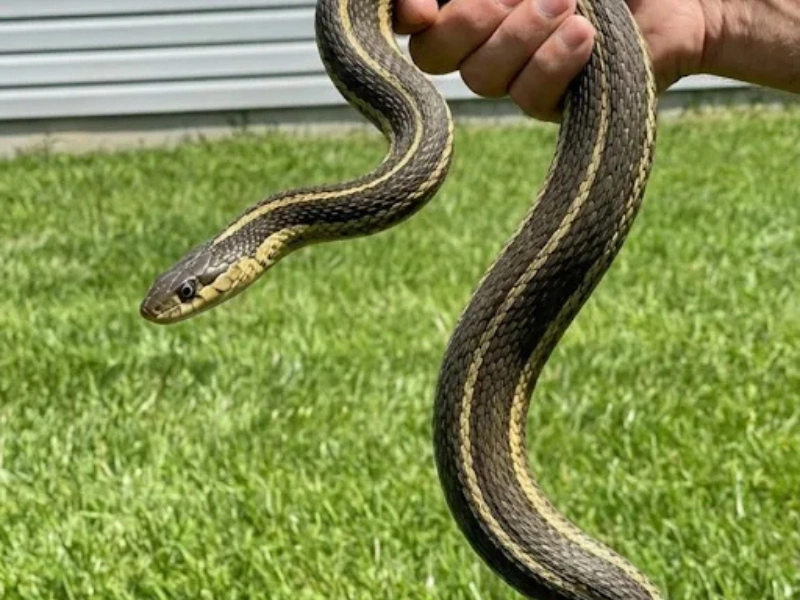
One afternoon while pulling weeds near my vegetable garden, I suddenly noticed movement near my feet. A snake had quietly slipped through the plants, and even though I knew it was harmless, the surprise instantly made my heart race.
Snakes are an important part of nature. They help control pests like mice, insects, and slugs, and most species avoid people whenever possible. Still, many homeowners would rather not discover one while relaxing outside or working in the yard.
The good news is that you do not need dangerous chemicals or harmful traps to discourage snakes. In most cases, snakes only visit yards that provide food, water, and shelter. Remove those attractions, and they usually move somewhere else on their own.
Here are eight safe and effective ways to make your outdoor space less appealing to snakes while still respecting wildlife.
Why Snakes Are Attracted to Yards
Snakes are not searching for humans. They are simply looking for basic survival needs:
- Food such as rodents, frogs, insects, bird eggs, or slugs
- Water from puddles, pet bowls, ponds, or damp areas
- Shelter in tall grass, woodpiles, rocks, or thick plants
If your yard provides those things, snakes may occasionally stop by. Changing the environment is the most reliable way to discourage them.
1. Keep Grass and Weeds Trimmed
One of the easiest ways to reduce snake activity is to maintain your lawn regularly.
Snakes prefer areas where they can stay hidden and protected. Tall grass, weeds, and overgrown landscaping provide ideal cover. Shorter grass leaves them exposed, making the area less comfortable.
Helpful tips:
- Mow regularly
- Trim weeds along fences and foundations
- Remove brush and overgrown ground cover
- Keep grass around 3 inches tall or lower
A tidy yard also discourages rodents, which removes a major food source for snakes.
2. Remove Standing Water
Snakes need water, and damp areas often attract the small creatures they feed on.
Common problem spots:
- Bird baths
- Leaky hoses
- Pet water bowls left outside overnight
- Clogged gutters
- Low areas where rain collects
- Empty pots or buckets holding water
What you can do:
- Repair leaks
- Drain puddles
- Empty containers after rain
- Clean gutters often
- Store outdoor containers upside down
Reducing moisture can make your yard much less attractive to reptiles and pests alike.
3. Get Rid of Hiding Places
Snakes feel safest in quiet, sheltered locations. Cluttered yards provide plenty of hiding spaces.
Areas to clean up:
- Woodpiles
- Rock piles
- Leaf litter
- Unused lumber
- Overgrown shrubs
- Compost heaps
- Yard debris
If you keep firewood, store it elevated off the ground and away from the house. Closed compost bins are also better than open piles.
A good rule is to walk through your yard and ask yourself where a snake might hide. Then reduce those areas whenever possible.
4. Seal Gaps Around Your Home
Small openings around your house can allow snakes to enter garages, basements, or crawl spaces.
Check for:
- Foundation cracks
- Openings around pipes
- Gaps beneath doors
- Torn vent screens
- Holes in siding
Ways to seal them:
- Use caulk or mortar for cracks
- Install door sweeps
- Cover vents with fine mesh
- Fill small gaps with copper mesh or steel wool
Even narrow openings can be large enough for small snakes.
5. Reduce Rodent Activity
Where mice and rats go, snakes often follow.
If you frequently notice snakes, there may already be a hidden rodent issue nearby.
Ways to discourage rodents:
- Store pet food indoors
- Keep trash sealed tightly
- Remove spilled birdseed
- Seal entry points around buildings
- Store animal feed in secure containers
Encouraging natural predators like owls can also help reduce rodent populations naturally.
6. Try Natural Snake-Deterring Plants
Some gardeners believe certain plants may help discourage snakes because of their strong scent or texture.
Popular choices include:
- Marigolds
- Lemongrass
- Garlic
- Onions
- Citronella
- Mugwort
These plants are not guaranteed solutions, but they may provide additional support when combined with other prevention methods.
Plant them near patios, walkways, or garden borders for the best effect.
7. Add Gravel or Rough Mulch Borders
Snakes tend to avoid rough, uncomfortable surfaces.
Creating borders with coarse materials can make certain areas less inviting.
Good materials include:
- Crushed stone
- Gravel
- Pine bark nuggets
- Sharp mulch
A border around your foundation, garden beds, or deck may help discourage snakes from crossing into those areas.
8. Encourage Natural Predators Carefully
Some animals naturally scare away or hunt snakes.
Examples:
- Certain dogs
- Outdoor cats
- Owls
- Hawks
- Guinea fowl
However, pets can also create other issues. Cats may harm birds, and dogs can be injured by venomous snakes in some areas.
For many homeowners, attracting wild birds of prey with nesting boxes is a safer and more balanced option.
Do Commercial Snake Repellents Work?
Many products claim to repel snakes, but results are often disappointing.
Important facts:
- Mothballs are unsafe and generally ineffective outdoors
- Ultrasonic repellents rarely work on snakes
- Strong-smelling sulfur products have mixed results
Most experts agree that changing the habitat is more effective than relying on chemical repellents.
What To Do If You See a Snake
If you encounter a snake, remain calm.
Follow these steps:
- Keep a safe distance
- Do not try to touch or kill it
- Allow it a clear escape path
- Call wildlife professionals if it is inside your home
- Identify local venomous species so you know what to watch for
Most snakes prefer to avoid humans and will leave quickly when given space.
Common Mistakes To Avoid
Avoid these actions:
- Using glue traps
- Spreading mothballs outdoors
- Pouring chemicals into holes
- Trying to kill snakes
- Assuming every snake is dangerous
Many snake bites happen when people attempt to handle or attack snakes.
Frequently Asked Questions
What smells may discourage snakes?
Strong odors like garlic, vinegar, cinnamon, or sulfur are often mentioned, but scent-based methods are not always reliable on their own.
Can dogs scare snakes away?
Some dogs alert owners to snakes or chase them away, but dogs can also be bitten. Supervision is important.
Do snake-repelling plants work?
They may help slightly, but they work best when combined with good yard maintenance.
How can I tell if snakes are living nearby?
Frequent sightings, shed snake skins, or ongoing rodent problems can all suggest snake activity.
Living Peacefully With Wildlife
Over time, I realized most snakes are not interested in staying near people. Usually, they are already trying to escape the moment you notice them.
The best approach is not fear or aggression. It is simply making your yard less attractive to them.
Keep your lawn maintained, reduce clutter, eliminate food sources, and seal entry points around your home. These small steps can make a huge difference.
You may still occasionally spot a snake passing through, but with the right precautions, it is far less likely to settle in your yard permanently.