
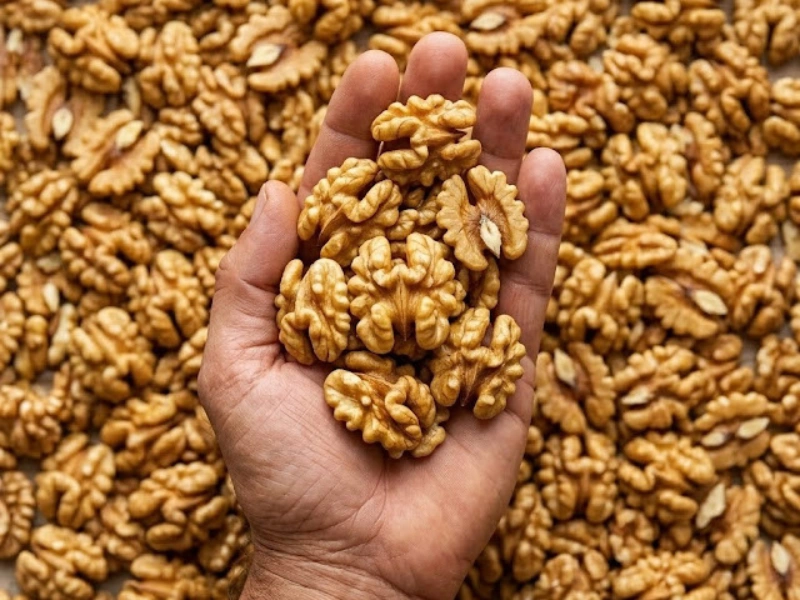
Walnuts aren’t just a satisfying snack—they’re among the most nutrient-rich foods you can add to your routine. Backed by years of research, these small nuts deliver impressive health benefits thanks to their healthy fats, antioxidants, and plant-based omega-3s. Adding a modest portion to your day can go a long way.
Here’s what science suggests—and how to include them in a balanced way.
❤️ 1. Supports Heart Health
Walnuts are a great source of alpha-linolenic acid (ALA), a plant-based omega-3 fat, along with compounds like polyphenols and arginine that help blood vessels function properly.
Research has shown that regular walnut consumption can help lower LDL (often called “bad” cholesterol) and improve how flexible your arteries are—both important for cardiovascular health.
👉 A small handful (about 28 grams or 14 halves) per day is enough to see benefits.
🧠 2. Helps Maintain Brain Function
These nuts contain vitamin E, antioxidants, and healthy fats that protect brain cells from stress and inflammation.
Long-term studies suggest that people who eat walnuts regularly may experience better memory, faster thinking, and improved mental flexibility as they age.
🌿 3. Promotes a Healthy Gut
Walnuts don’t just nourish you—they also feed your gut bacteria. Their fiber and plant compounds act like prebiotics, helping beneficial microbes grow.
Studies have linked walnut consumption with increases in helpful bacteria such as Lactobacillus and Bifidobacterium, both important for digestion and overall health.
⚖️ 4. Helps With Blood Sugar & Appetite Control
Even though walnuts are calorie-dense, they can actually support weight management. Their combination of protein, fiber, and healthy fats helps you feel full longer and may reduce cravings.
Regular nut eaters are also associated with a lower risk of developing type 2 diabetes.
🧬 5. May Offer Protective Effects Against Disease
Walnuts contain compounds called ellagitannins, which your body converts into beneficial molecules through gut bacteria. Early research suggests these may play a role in slowing the growth of certain cancer cells, though more human studies are needed.
🥜 How Much Should You Eat?
- Daily portion: About 1 ounce (28 g), or 14 walnut halves
- Calories: Around 180–190 per serving
- Best time: Add them to breakfast (like oatmeal or yogurt) or enjoy as a mid-day snack
💡 Tip: Because walnuts contain delicate fats, store them in the fridge or freezer to keep them fresh longer.
⚠️ Things to Keep in Mind
- Allergies: Avoid if you have a tree nut allergy
- Digestive adjustment: Start with small amounts if you’re not used to high-fiber foods
- Portion awareness: Easy to overeat—pre-portioning can help
❤️ Final Thought
Walnuts are a simple, natural way to support your long-term health. With benefits for your heart, brain, and gut, they pack a lot into a small serving.
As some nutrition experts say, if walnuts came in pill form, they’d be considered a powerful supplement. Luckily, they come straight from nature—ready to enjoy.