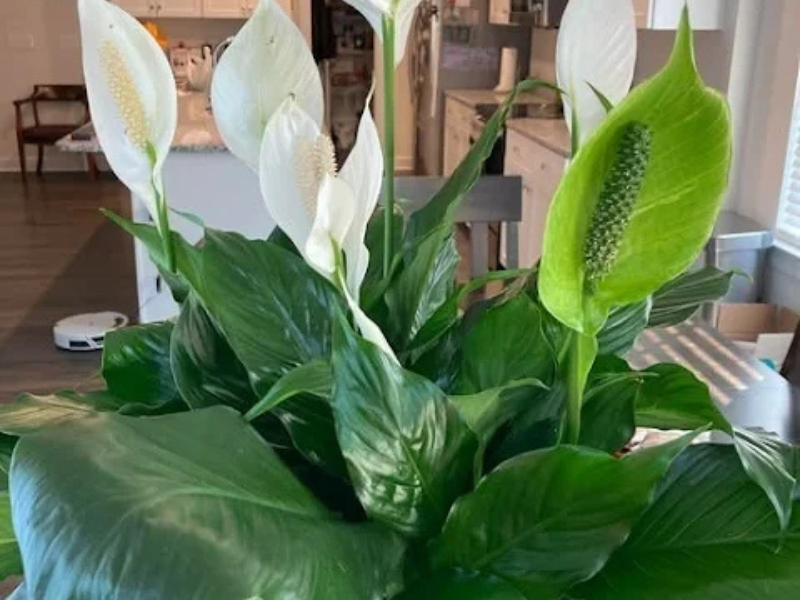
There’s something incredibly rewarding about seeing a peace lily bloom for the first time. One day it’s simply a lush green houseplant, and the next, a graceful white flower rises above the leaves like a quiet little celebration.
Many plant owners eventually ask the same question:
“Why won’t my peace lily flower?”
The good news is that a healthy peace lily usually can bloom indoors—you just need to create the right conditions. If your plant has plenty of leaves but no flowers, it’s likely missing one or two important care requirements.
Here’s how to encourage your peace lily to bloom consistently and stay healthy year-round.
Understanding How Peace Lilies Bloom
Peace lilies, known botanically as Spathiphyllum, are tropical plants native to warm rainforest environments. In nature, they grow beneath tree canopies where they receive filtered sunlight, steady moisture, and high humidity.
What most people think of as the flower is actually a white leaf-like structure called a spathe. The tiny blooms grow along the central spike called the spadix.
A peace lily flowers when conditions are favorable enough for the plant to reproduce. If it isn’t blooming, the plant is usually conserving energy instead.
1. Give It Bright Indirect Light
One of the biggest reasons peace lilies fail to bloom is insufficient light.
These plants are often labeled as “low-light tolerant,” which is true—they can survive in dim rooms. But survival and flowering are very different things.
Best Lighting Conditions
- Bright, indirect sunlight
- Near an east-facing window
- A few feet from a south or west window
- Soft filtered daylight
Avoid intense direct sun, which can scorch the leaves and cause brown patches.
Easy Light Test
If the room is bright enough to comfortably read during the day without turning on a lamp, your peace lily likely has enough light.
Helpful Tip
Rotate the plant every few weeks so all sides receive even sunlight and growth stays balanced.
2. Water Consistently
Peace lilies are known for dramatically drooping when thirsty, but frequent wilting can stress the plant and reduce flowering.
The Right Watering Routine
- Water when the top inch of soil feels dry
- Keep the soil lightly moist, not soggy
- Use room-temperature water whenever possible
Signs of Overwatering
- Yellow leaves
- Mushy stems
- Musty-smelling soil
- Fungus gnats
Overwatering is more harmful than slight underwatering because it can lead to root rot.
Extra Tip
Filtered or distilled water can help prevent brown leaf tips caused by chlorine or minerals in tap water.
3. Increase Humidity
Because peace lilies are tropical plants, they thrive in humid environments. Dry indoor air—especially during winter—can reduce blooming and damage leaf edges.
Ways to Raise Humidity
- Mist the leaves lightly
- Use a pebble tray with water
- Group plants together
- Run a humidifier nearby
- Place the plant in a naturally humid room like a bathroom with good lighting
Higher humidity helps the plant stay vigorous and encourages healthy growth.
4. Feed Your Plant Properly
A peace lily needs nutrients to produce blooms, but too much fertilizer can actually prevent flowering.
Best Fertilizer Choice
Use a balanced liquid fertilizer diluted to half strength.
Examples:
- 10-10-10
- 20-20-20
Feed every 4–6 weeks during spring and summer.
Bloom-Boosting Tip
A fertilizer with slightly higher phosphorus may help encourage flowers.
Avoid fertilizing during fall and winter when growth naturally slows.
5. Mimic Natural Seasons
Peace lilies benefit from a resting period during cooler months.
During Fall and Winter
- Reduce watering slightly
- Stop fertilizing
- Keep temperatures a bit cooler
In Early Spring
- Increase light exposure
- Resume regular watering
- Begin feeding again
This seasonal shift signals the plant to start a new growth and flowering cycle.
6. Repot Only When Necessary
Peace lilies actually bloom better when slightly root-bound.
If the pot is too large, the plant may focus entirely on root growth instead of producing flowers.
Signs It’s Time to Repot
- Roots growing from drainage holes
- Water draining too quickly
- Frequent wilting
- Soil breaking down or compacting
Choose a pot only 1–2 inches larger than the current one.
Spring is the best time for repotting.
7. Remove Old Blooms
As flowers age, they turn green and eventually brown.
Leaving old blooms attached causes the plant to keep sending energy to dying growth.
What to Do
Trim spent flowers close to the base using clean scissors or pruning shears.
You can also remove damaged or yellow leaves to help the plant direct energy toward new growth.
Be Patient
Even with ideal care, peace lilies don’t bloom instantly.
After improving conditions, it may take:
- 2–6 months for new blooms to appear
- Longer after repotting
- Extra time for younger plants to mature
If your plant is healthy and producing new leaves, you’re already on the right track.
Common Peace Lily Problems
| Problem | Likely Cause | Solution |
|---|---|---|
| No flowers | Low light or excess nitrogen | Increase light and adjust fertilizer |
| Brown tips | Dry air or tap water chemicals | Raise humidity and use filtered water |
| Yellow leaves | Overwatering | Let soil dry slightly between watering |
| Drooping leaves | Usually underwatering | Water thoroughly and consistently |
| Flowers turning green | Natural aging | Remove old blooms when faded |
Frequently Asked Questions
How often do peace lilies bloom?
Mature plants may flower several times a year, most commonly during spring and summer.
How long do the flowers last?
Blooms can remain attractive for one to two weeks or longer in cooler conditions.
Can peace lilies bloom indoors year-round?
Some do under ideal conditions, though most bloom more heavily during warmer seasons.
Why did my peace lily stop blooming after repotting?
The plant is likely focusing on root development and may need time to adjust.
Final Thoughts
Peace lilies are more than just beautiful houseplants—they reward patience and consistent care. A little more light, steady watering, proper humidity, and occasional feeding can completely transform a plant that hasn’t bloomed in years.
When that first white flower finally appears, it feels worth every bit of effort.
So check your lighting, refresh your routine, and give your peace lily a little time. With the right care, those elegant blooms will return—and they may surprise you more often than you expect. 🌿